

Micro CNC Machining Overview
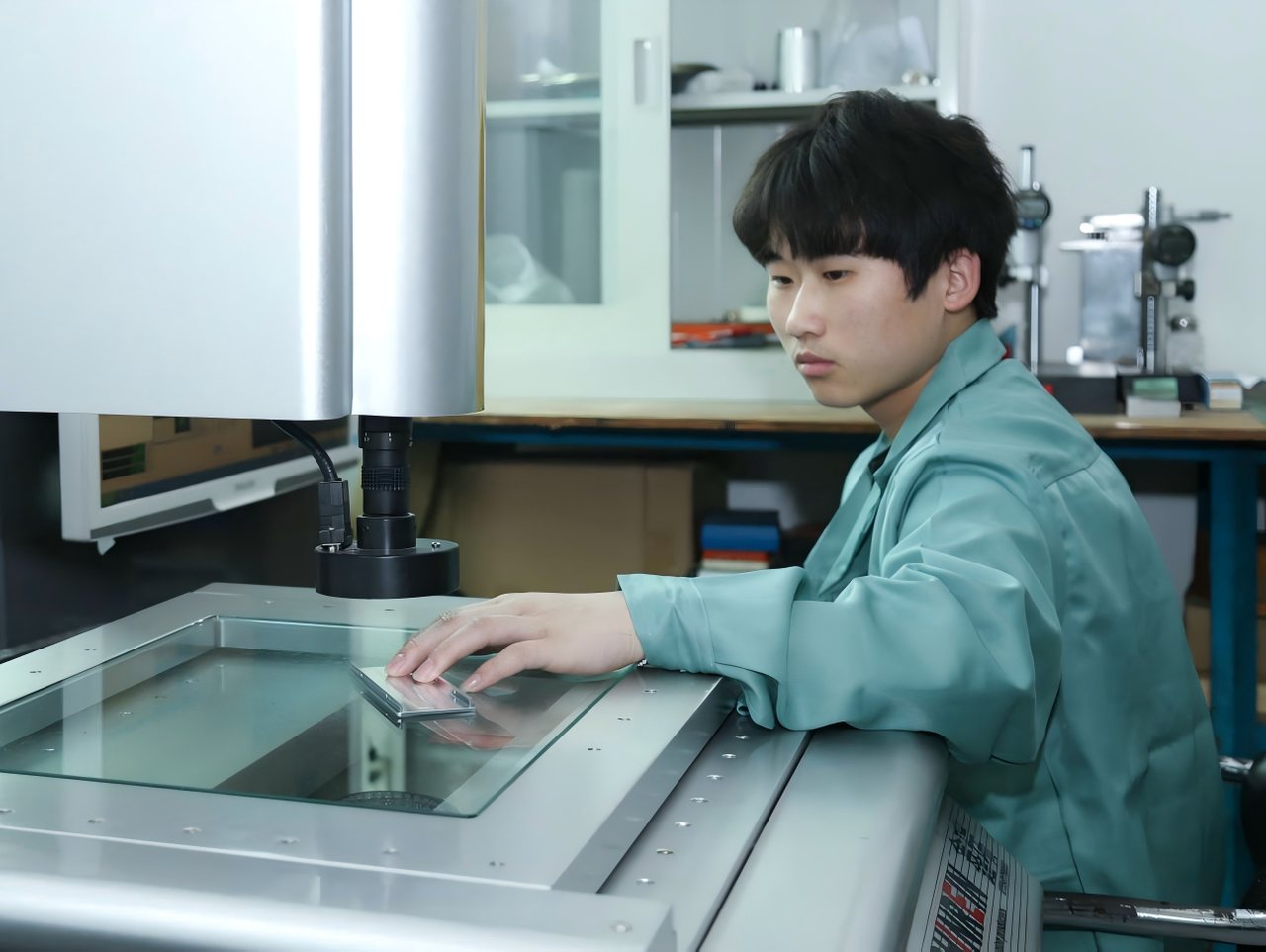
Explore how Gazfull machines miniature metal and plastic components with micro bores, fine threads, and burr-free edges—combining high-speed spindles, Swiss turning, and non-contact 2.5D optical vision inspection.
- Low-Force Micro Cutting: High-speed spindles and Swiss lathes prevent tool deflection and burrs.
- Metals & High-Temp Plastics: Stainless steel, brass, titanium, aluminum, PEEK, Delrin, and Ultem.
- Vision QC & Clean Packing: 2.5D optical metrology, ultrasonic cleaning, and compartmentalized trays.
What to review before you quote
| Parameter | Our Capability | What to Send |
|---|---|---|
| Micro holes & slots | Micro drilling and narrow slotting with controlled burr removal | Minimum hole diameter, depth-to-diameter ratio, edge callout |
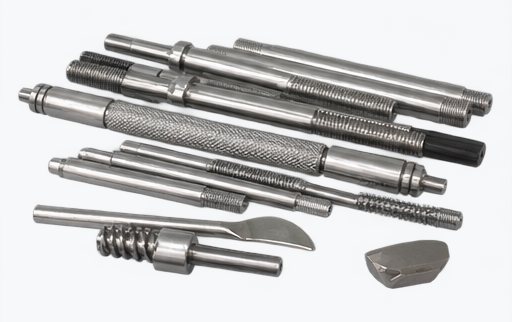
| Miniature turned parts | Small-diameter pins, nozzles, sleeves and fine threads | OD/ID tolerances, concentricity and thread pitch spec |
| Quality inspection | Optical vision measurement & microscope visual edge checks | Critical cosmetic/burr-free zones and clean packaging needs |
Machining miniature parts where burrs and deflection matter most
Micro CNC machining presents completely different challenges from standard-size parts: tiny end mills and micro drills have low rigidity, cutting forces must stay minimal, and even a microscopic burr can ruin a fluidic port or optical seat.
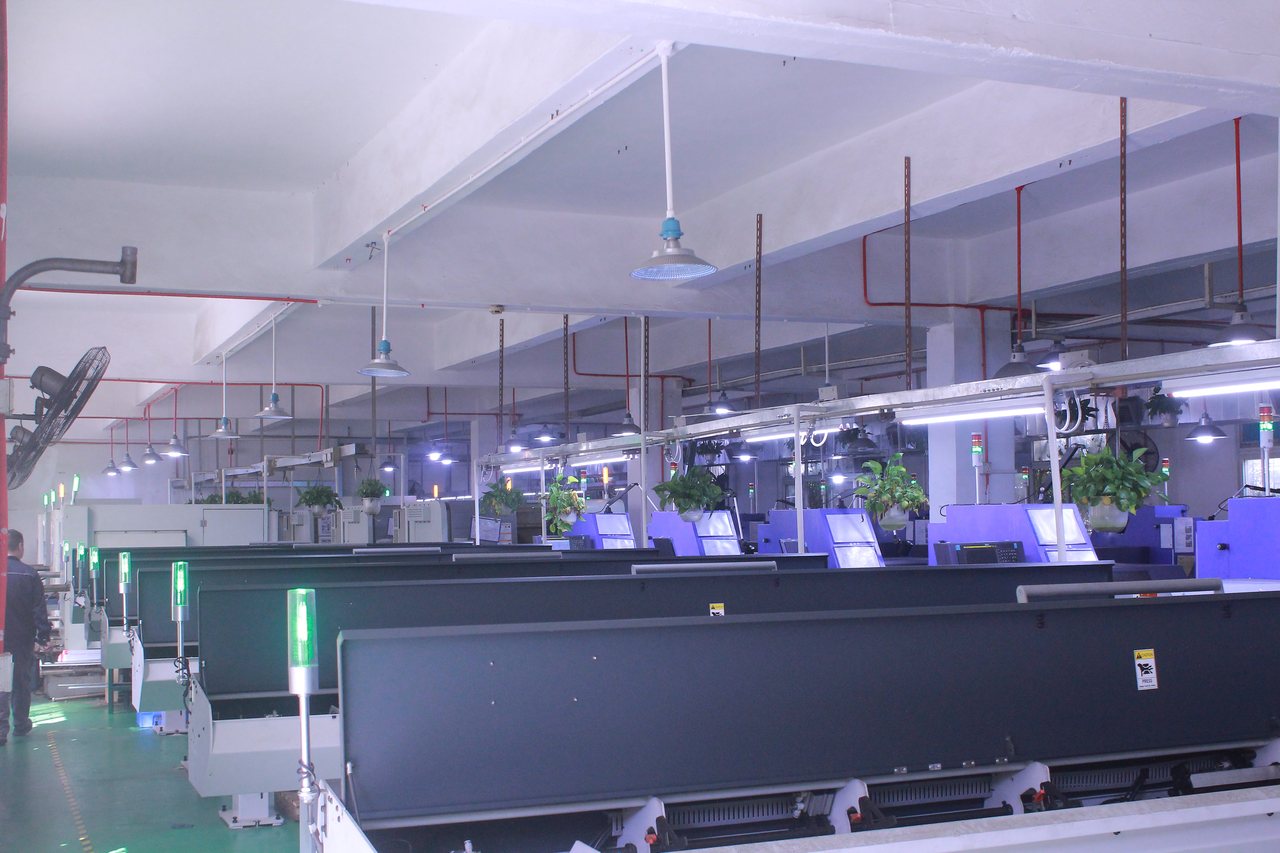
We combine high-speed spindles with CNC Swiss turning to produce miniature stainless steel, brass, titanium and PEEK parts with clean edges and repeatable geometry.
Applications across medical devices, optics and precision sensors
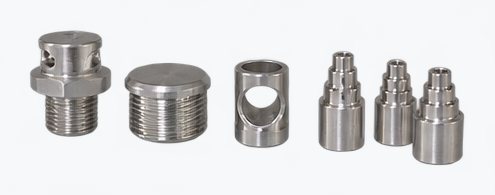
Our micro-machined components serve medical instruments, biotech lab assemblies, micro-connector housings and precision sensor modules. Typical geometries include stepped micro pins, threaded inserts, miniature valve seats and compact mounting collars.
During DFM review, our engineers check aspect ratios, internal corner radii and fine thread runouts so miniature features can be machined reliably from prototype through repeat release.
Optical vision inspection and damage-free tray packaging
Contact probes can deflect miniature parts, so we rely heavily on non-contact optical vision measuring systems and stereo microscopes to verify micro dimensions, thread profiles and burr-free edge quality.
Finished micro components are ultrasonically cleaned and packed in compartmentalized trays or protective vials to prevent transit scratches or tangling.
Our DFM & RFQ checklist
Check hole depth-to-diameter ratio
Deep micro holes (>5×D) require peck-drilling strategies; flag any intersecting cross-holes on your drawing.
Specify burr-free and edge-break requirements
Note which internal bores or sealing faces must be inspected under magnification for zero burrs.
Choose machinable grades when possible
303 stainless, C360 brass, 6061 aluminum and PEEK machine cleanly at micro scale with superior surface finish.
Frequently asked questions
What industries use our micro CNC machining?
Medical devices, laboratory diagnostics, photonics/optics, aerospace sensors and precision robotics assemblies.
How do you inspect miniature CNC components?
We use 2.5D optical vision measuring machines, microscopes and micro pin gauges so delicate parts are measured accurately without deformation.
Can you machine both micro metal and micro plastic parts?
Yes. We machine miniature parts in stainless steel, titanium, brass, aluminum, PEEK, Delrin (POM) and Ultem.
What is the minimum order quantity for micro CNC parts?
We support low-volume prototypes starting from 1–10 pieces as well as repeat production batches of thousands of parts.
Explore related precision machining pages
Explore all processes on our Precision CNC Machining overview or explore related processes and custom component pages:
- CNC Swiss TurningSwiss-type turning for slender shafts, pins and small precision sleeves with tight concentricity.
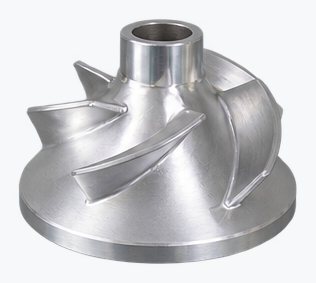 Tight Tolerance CNC MachiningAchieve ±0.005mm tolerances on critical bores, datums and mating assemblies with full CMM inspection.
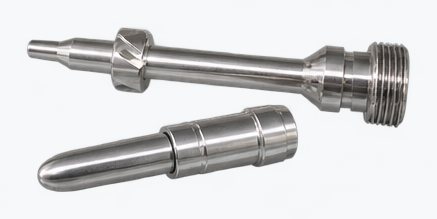 Precision CNC ShaftsStepped stainless steel, alloy steel and titanium shafts with keyways, threads and runout QC.
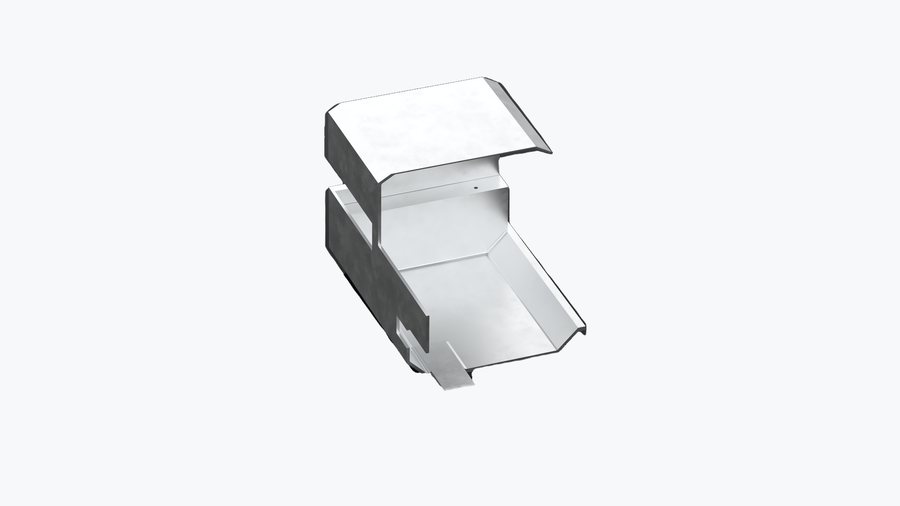 Precision Mounts & BracketsCustom optical mounts, laser alignment brackets and sensor fixtures with matte black anodizing.
Send us your drawings for a quote
Send your 2D drawings, 3D STEP files and target quantities. Our China engineering team reviews critical tolerances, materials and inspection requirements before quoting.
Request a Quote