

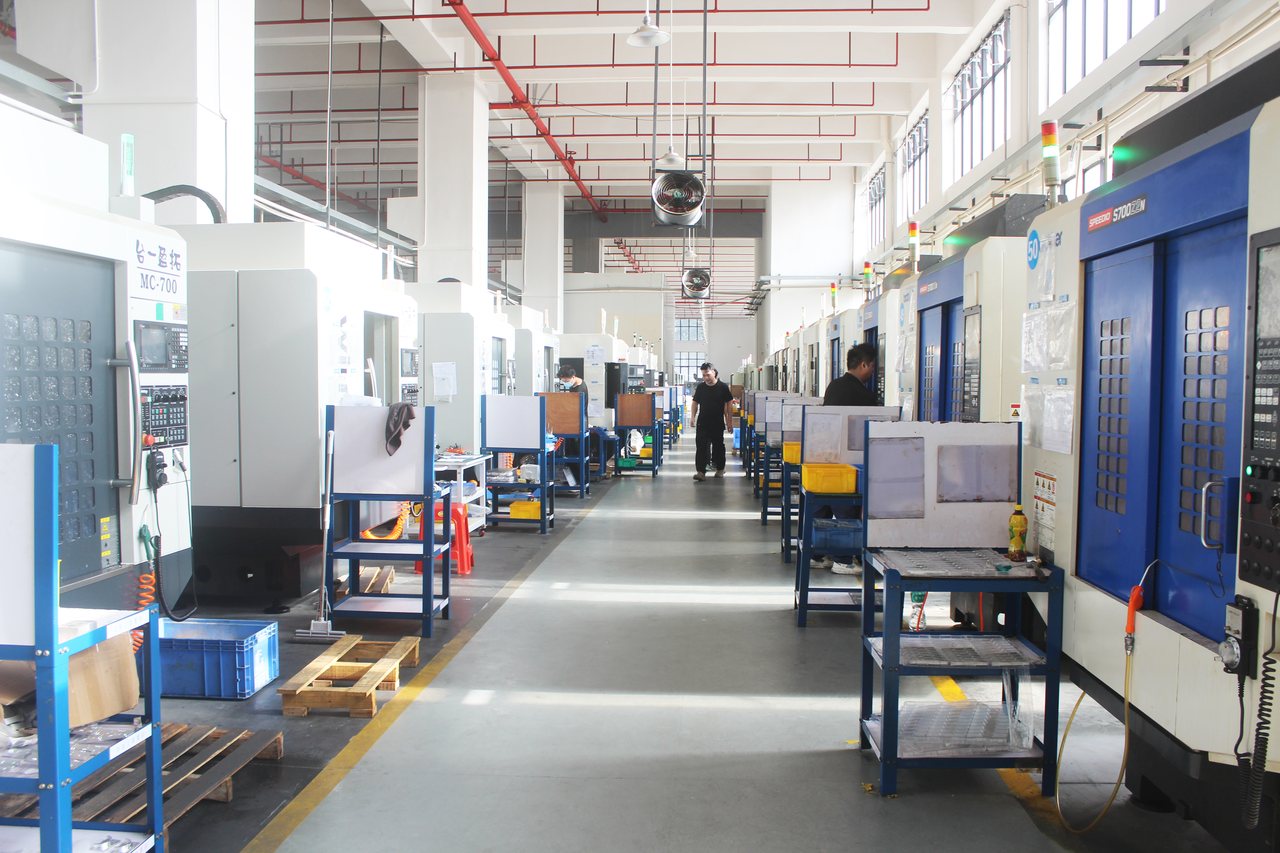
Wire EDM Machining Overview
See when Wire EDM beats rotary CNC milling for sharp internal corners, deep narrow slots, flexure hinges, and 55–62 HRC hardened steels—and how Gazfull combines CNC + Wire EDM under one roof with ±0.005mm skim passes.
- Near-Sharp Internal Corners: 0.05mm–0.15mm wire radii and zero cutting-force deflection.
- Post-Heat-Treat Precision: Accurately cut hardened tool steels, titanium, brass, copper, and carbide.
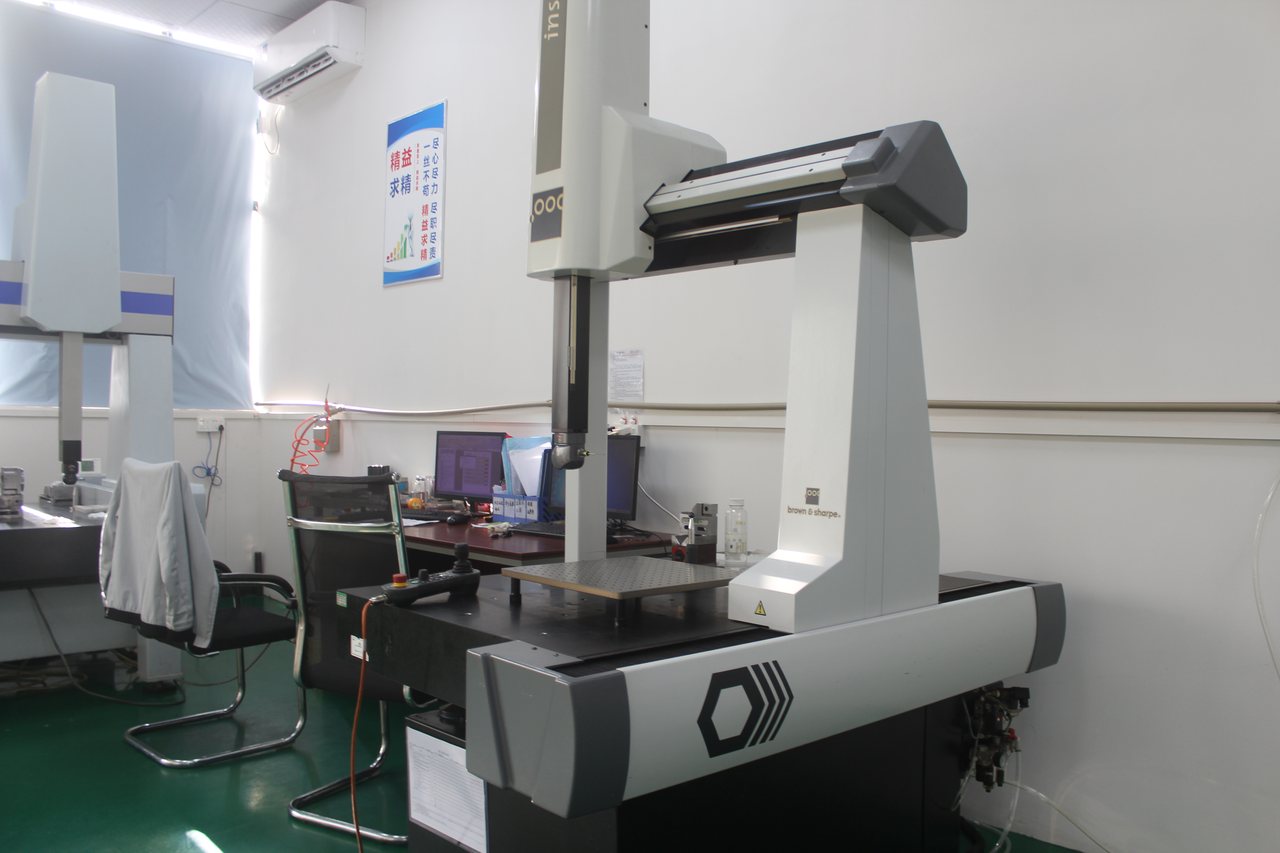
- Hybrid CNC + Wire EDM: Shared datums between milled faces and EDM profiles verified via CMM.
What to review before you quote
| Parameter | Our Capability | What to Send |
|---|---|---|
| Internal corner radii | Near-sharp internal corners (wire radius ~0.05mm–0.15mm) | 2D DXF/PDF profile and maximum allowed corner radius |
| Conductive materials | Hardened tool steel, stainless steel, titanium, brass, copper, carbide | Material hardness (HRC) and heat-treatment sequence |
| Hybrid CNC + Wire EDM | CNC rough/3D features combined with Wire EDM precision profiles | Datum alignment between milled/turned features and EDM cut |
When to choose Wire EDM over rotary CNC milling
Rotary end mills always leave an internal corner radius and struggle with very deep, narrow slots or hardened steels above 50 HRC. Wire Electrical Discharge Machining (Wire EDM) uses a fine electrically charged brass wire to erode conductive metal with zero mechanical cutting force.
This makes Wire EDM ideal for sharp internal keyways, precision flexure slots, spline profiles, extrusion dies and delicate thin sections that would deflect under a milling cutter.
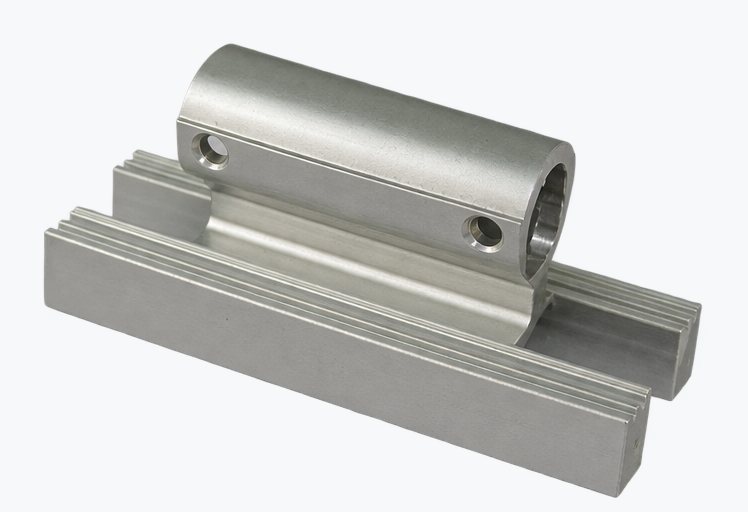
Seamless CNC milling + Wire EDM hybrid workflows
Many complex parts only need Wire EDM on one or two critical through-features—such as a square bore, narrow flexure hinge or precision gear profile—while the rest of the body is faster to produce via CNC milling or CNC turning.
By managing both CNC machining and Wire EDM under one roof, we hold tight datum alignment between milled mounting faces and EDM-cut profiles without outsourcing delays.
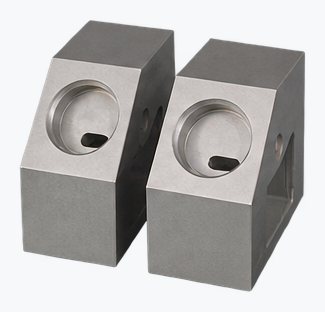
Precision skim passes for smooth surface finish
Following the initial rough cut with multiple precision skim passes removes recast layer, refines surface roughness and locks in profile tolerances down to ±0.005mm.
Pair Wire EDM with our tight tolerance CNC machining and CMM inspection workflow for mission-critical fixtures and hardened wear parts.
Our DFM & RFQ checklist
Confirm the material is electrically conductive
Wire EDM works on steels, stainless, aluminum, brass, copper, titanium and carbide—not on plastics or ceramics.
Specify maximum allowable corner radius
Wire EDM leaves a tiny radius slightly larger than half the wire diameter; note exact corner clearance needs.
Indicate start-hole locations for enclosed internal pockets
Internal through-profiles require a small pre-drilled start hole to thread the wire.
Frequently asked questions
Can Wire EDM cut hardened steel after heat treatment?
Yes. Because Wire EDM is a non-contact thermal erosion process, cutting hardened tool steel (55–62 HRC) is just as accurate as cutting soft steel, avoiding heat-treat distortion.
What surface finish does Wire EDM produce?
With multi-pass skim cutting, Wire EDM achieves smooth matte finishes suitable for mating slides, dies and precision flexure mechanisms.
Can Wire EDM machine blind pockets?
Wire EDM requires the wire to pass completely through the workpiece (through-features). Blind sharp-corner cavities require sinker EDM or CNC milling with corner relief.
What file formats should I send for Wire EDM quoting?
Send both a 3D STEP file and a 2D PDF/DXF drawing calling out tolerances, material hardness and surface finish.
Explore related precision machining pages
Explore all processes on our Precision CNC Machining overview or explore related processes and custom component pages:
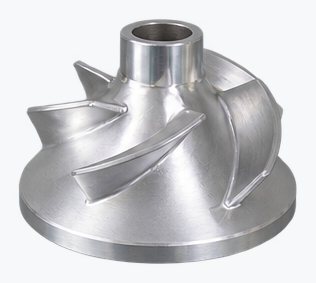 Tight Tolerance CNC MachiningAchieve ±0.005mm tolerances on critical bores, datums and mating assemblies with full CMM inspection.
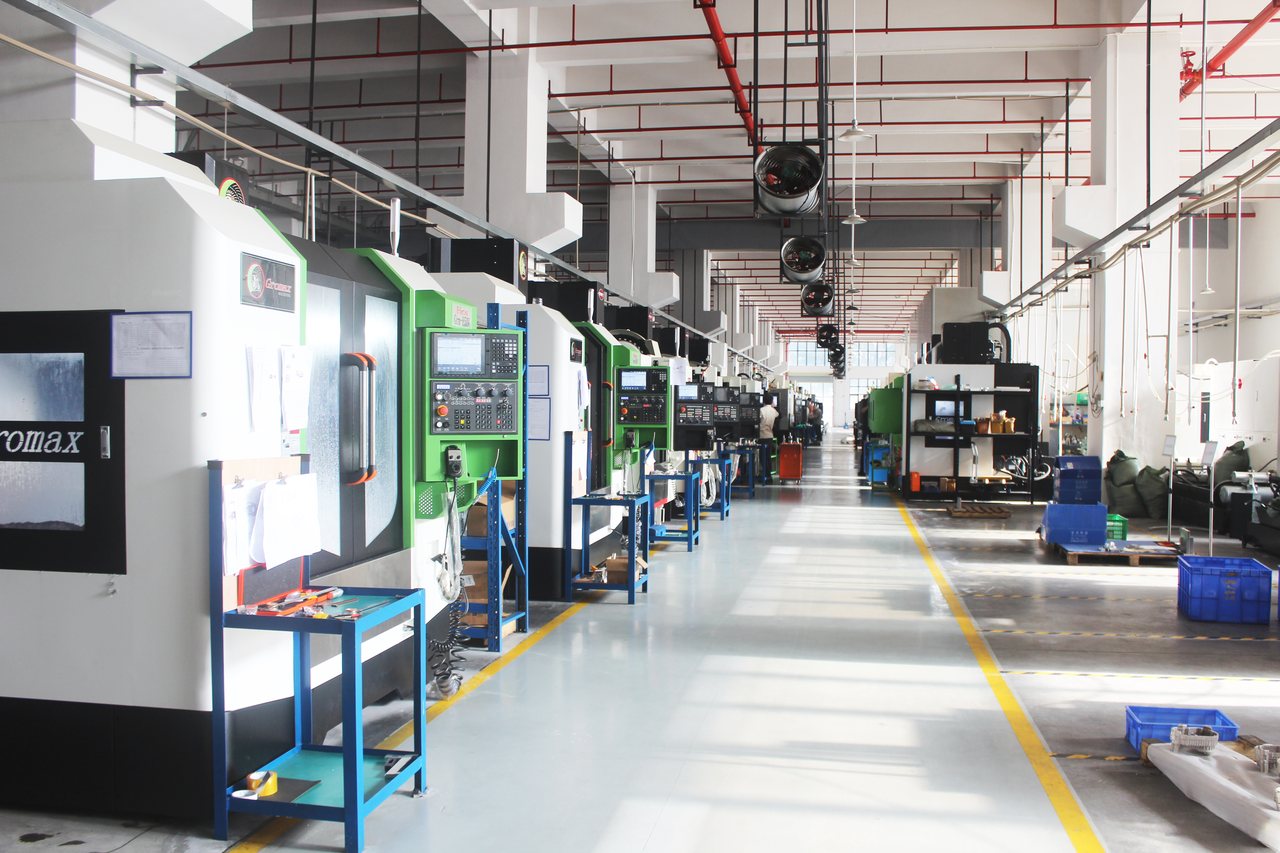 CNC Milling & TurningCompare CNC milling, turning and mill-turn routes to choose the right process for your part.
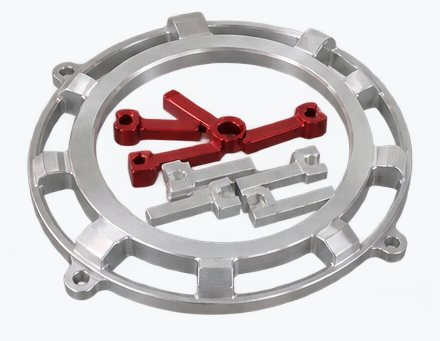 Thin-Wall CNC MachiningDistortion-free machining of lightweight thin-walled housings, frames and structural rings.
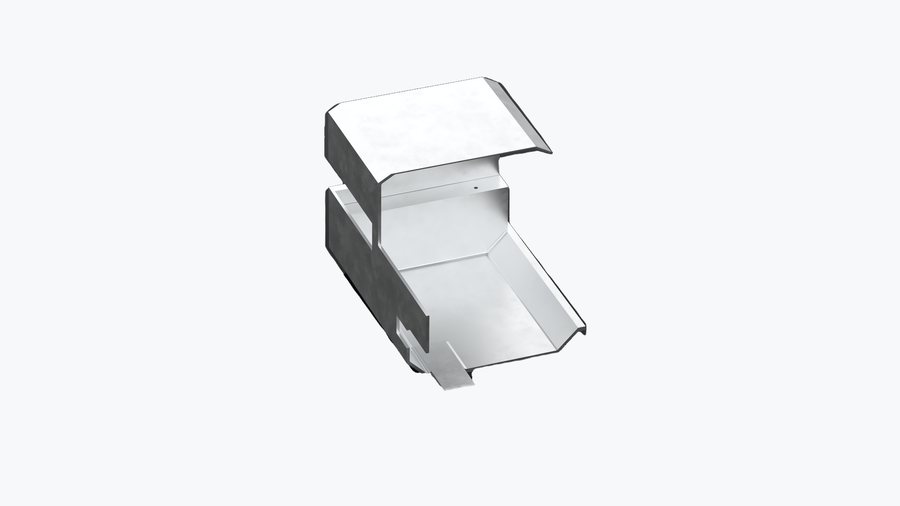 Precision Mounts & BracketsCustom optical mounts, laser alignment brackets and sensor fixtures with matte black anodizing.
Send us your drawings for a quote
Send your 2D drawings, 3D STEP files and target quantities. Our China engineering team reviews critical tolerances, materials and inspection requirements before quoting.
Request a Quote