

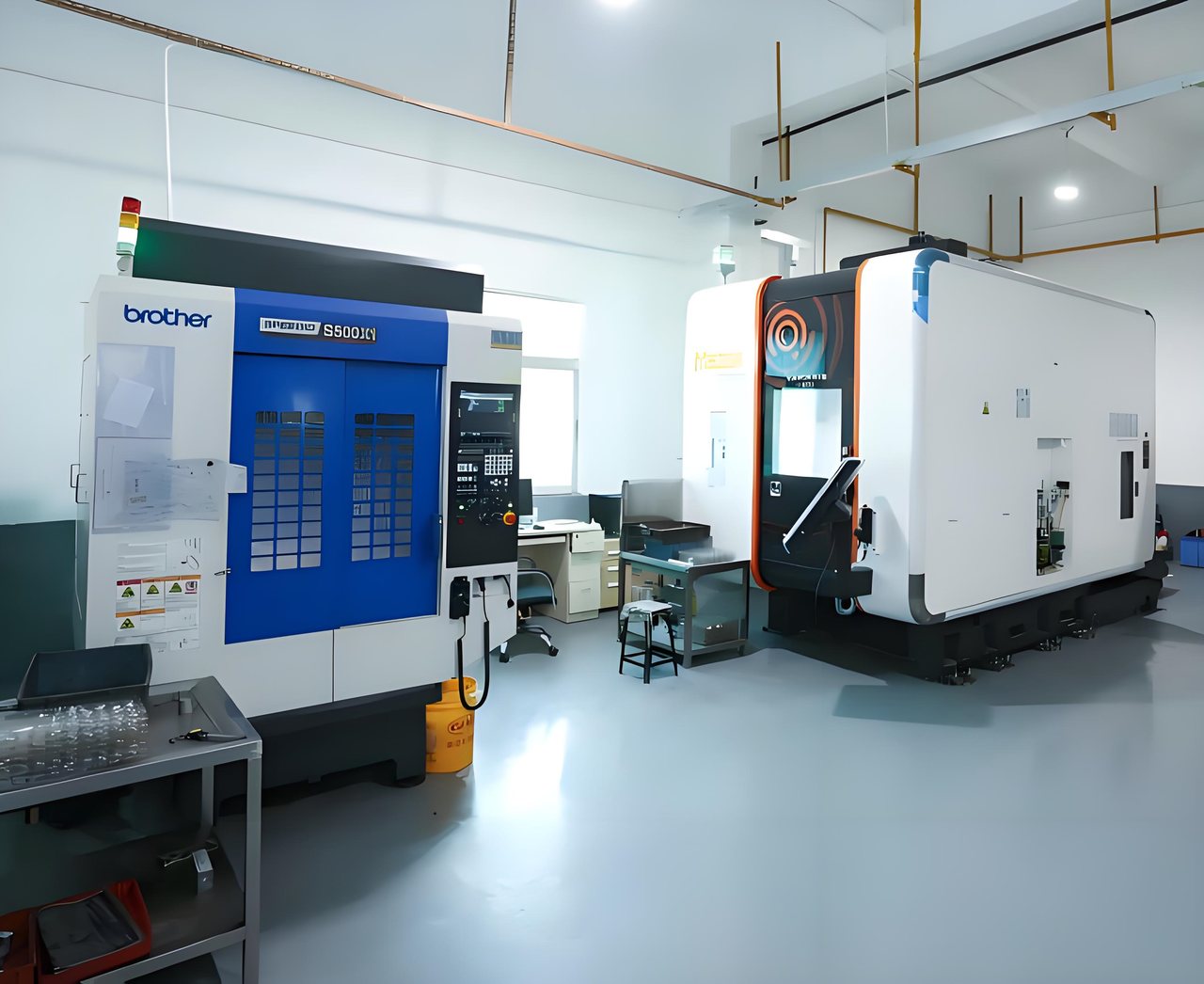
Thin-Wall CNC Machining Overview
Learn how Gazfull machines distortion-free thin-walled housings, pocketed frames, and structural rings down to 0.5mm–0.8mm in aluminum and titanium using custom soft jaws, balanced toolpaths, and free-state CMM checks.
- Zero-Warp Fixturing: Contoured soft jaws, vacuum chucks, and alternating light finishing passes.
- 0.5mm–0.8mm Metal Walls: Proven in 6061-T6, 7075-T6, Ti-6Al-4V, stainless steel, PEEK, and Delrin.
- Free-State QC & Foam Packing: Verified unclamped (or on check fixtures) and shipped in protective trays.
What to review before you quote
| Parameter | Our Capability | What to Send |
|---|---|---|
| Recommended minimum wall | 0.5mm–0.8mm in metals; 1.0mm–1.5mm in engineering plastics | Wall thickness, unsupported height and flatness tolerance |
| Distortion control | Custom soft jaws, vacuum chucks, step-down light finishing | Critical flatness/roundness datums after unclamping |
| Typical materials | 6061-T6, 7075-T6, Ti-6Al-4V, stainless steel, PEEK, Delrin | Material temper and required surface finish (e.g. anodizing) |
Preventing vibration, chatter and post-clamping springback
Thin-wall CNC parts deform easily under conventional clamping pressure or heavy radial cutting loads. Even when a part measures in tolerance while clamped, releasing the vise can cause walls to spring out of flatness or roundness.
In our China factory, we prevent distortion using custom contoured soft jaws, low-stress high-speed toolpaths, alternating rough/finish passes and sharp high-helix tooling tailored for aluminum and titanium.
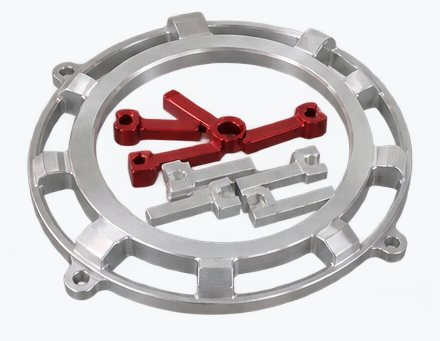
Lightweight structures for robotics, aerospace and electronics
Engineers specify thin-walled housings, pocketed frames and spoked rings to cut mass in robotics end-effectors, civil aerospace tooling, UAV structures and compact electronics enclosures.
Before machining, our DFM engineering team reviews wall height-to-thickness ratios, internal fillet radii and rib placement to recommend subtle stiffening improvements where helpful.
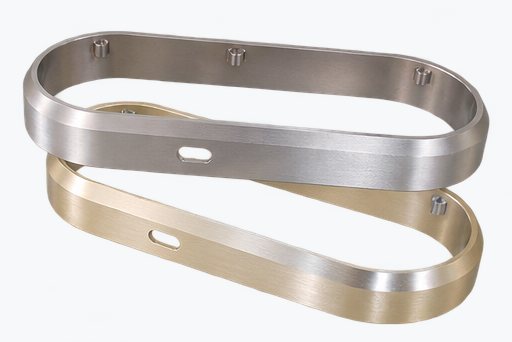
Free-state inspection and protective handling
Thin-walled components are measured in the free state—or on a defined check fixture if specified on your drawing—so flatness, concentricity and wall thickness reflect real assembly behavior.
Parts are individually wrapped or placed in custom foam trays to protect delicate rims and anodized surfaces during international shipping.
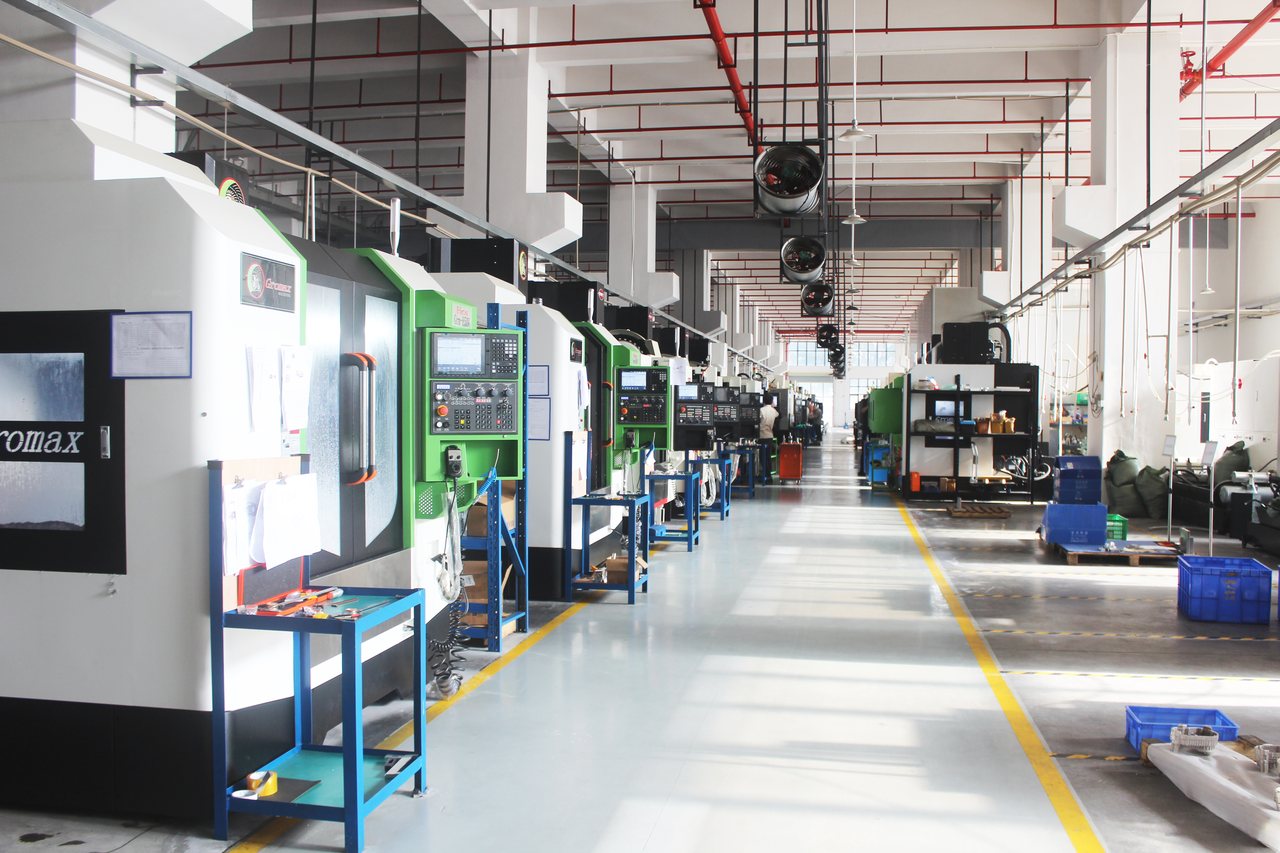
Our DFM & RFQ checklist
Keep wall height-to-thickness ratio reasonable
Adding small corner fillets or stiffening ribs dramatically improves dimensional stability on tall thin walls.
Define free-state vs. restrained inspection
Note on the drawing if flatness/roundness should be inspected unrestrained or bolted to a mating surface.
Review our CNC Design Guide before freezing CAD
Check internal pocket corner radii so tools do not chatter in deep thin pockets.
Frequently asked questions
How thin can we machine aluminum walls?
We routinely machine aluminum walls down to 0.5mm–0.8mm depending on wall height, pocket depth and flatness requirements.
Why do thin-walled CNC parts warp during machining?
Warpage comes from internal residual material stress, cutting heat and excessive clamping force. We mitigate all three with balanced roughing, stress relief and custom fixtures.
Can thin-wall parts be anodized after machining?
Yes. Type II and Type III anodizing are commonly applied to thin-wall aluminum frames and enclosures with careful racking to avoid contact marks.
Which aluminum grade is best for thin-wall CNC machining?
6061-T6 and 7075-T6 are the most popular choices—6061 for general enclosures and cost efficiency, 7075 for higher stiffness-to-weight ratio.
Explore related precision machining pages
Explore all processes on our Precision CNC Machining overview or explore related processes and custom component pages:
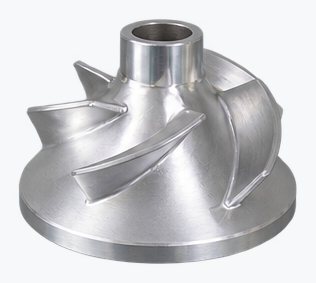 Tight Tolerance CNC MachiningAchieve ±0.005mm tolerances on critical bores, datums and mating assemblies with full CMM inspection.
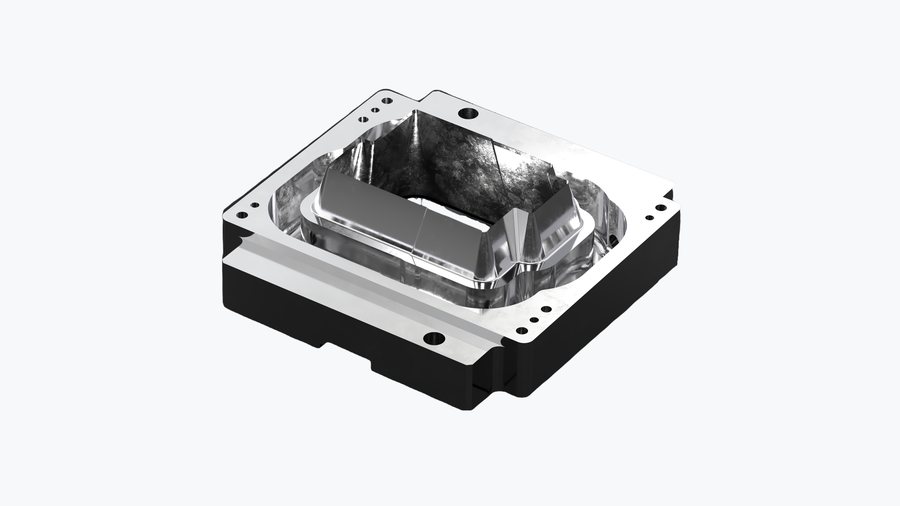 CNC Machined HousingsCustom CNC machined aluminum and metal enclosures with O-ring grooves, EMI grounding and anodizing.
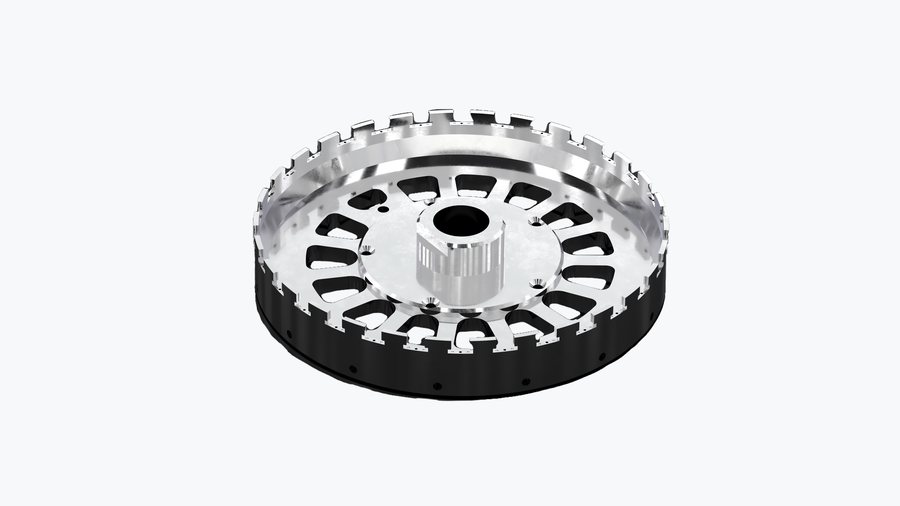 Custom CNC Heat SinksCustom aluminum and copper heat sinks, pin-fin arrays and cold plates with flat mounting bases.
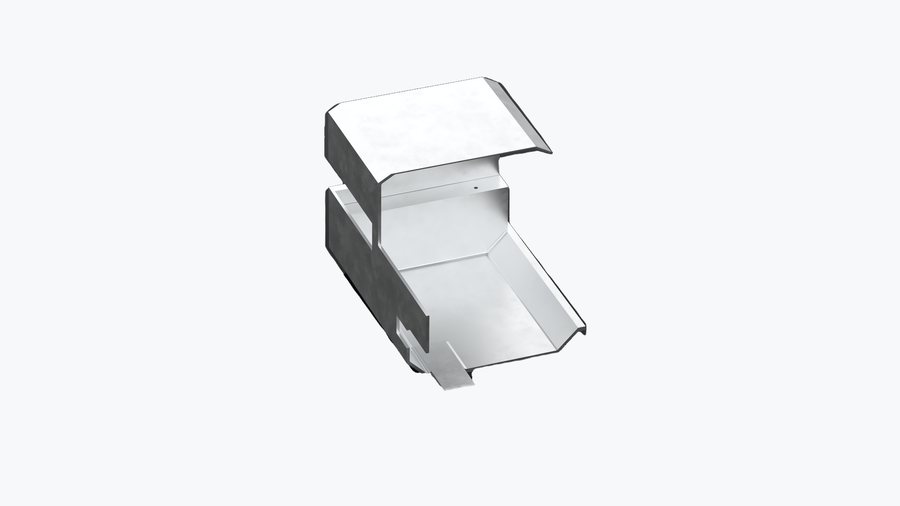 Precision Mounts & BracketsCustom optical mounts, laser alignment brackets and sensor fixtures with matte black anodizing.
Send us your drawings for a quote
Send your 2D drawings, 3D STEP files and target quantities. Our China engineering team reviews critical tolerances, materials and inspection requirements before quoting.
Request a Quote