Sourcing custom CNC machined parts from China can cut unit manufacturing costs by 35% to 60% while giving your engineering team access to rapid 5-axis milling, Swiss turning, and specialized surface finishing under one roof. Yet every experienced procurement manager knows that choosing the wrong vendor—especially an opaque trading broker posing as a direct factory—quickly erases those savings through tolerance drift, missed deadlines, and costly rework. As a direct precision CNC factory in China, we know exactly what separates reliable manufacturers from risky middlemen. Below is a practical, field-tested vetting checklist you can use to qualify any China CNC supplier before placing a production order.
1. Separate Direct CNC Factories from Trading Brokers
The first risk in cross-border CNC sourcing is unknowingly buying through a trading company that farms your CAD files out to the cheapest unvetted back-alley workshop. When a dimension slips out of tolerance or an engineering revision arrives mid-run, brokers create multi-day communication delays because they do not control the spindles or QC lab. Before sending production deposits, verify direct manufacturing ownership using three fast checks:
| Vetting Signal | Direct CNC Factory (Green Flag) | Trading Broker (Red Flag) |
|---|---|---|
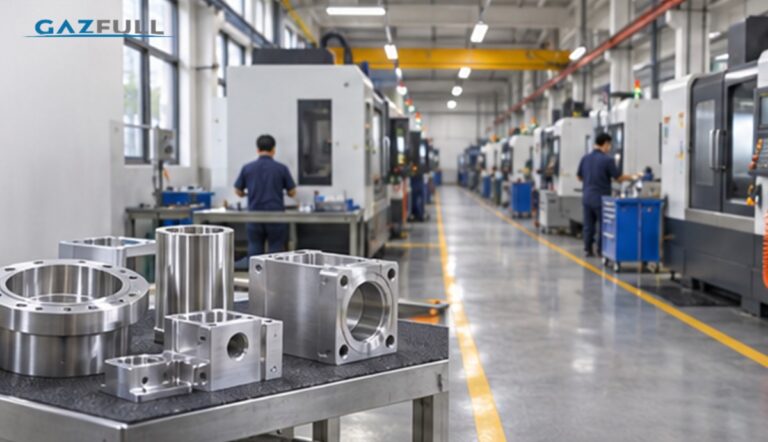
| Shop-Floor Video Call | Welcomes live, unscripted video walkthrough of active CNC mills & CMM lab | Relies only on stock photos or avoids live shop-floor calls |
| Pre-Quote DFM Feedback | Flags thin walls, deep pocket radii, anodizing buildup & datum ambiguities | Replies with instant flat price and zero technical questions |
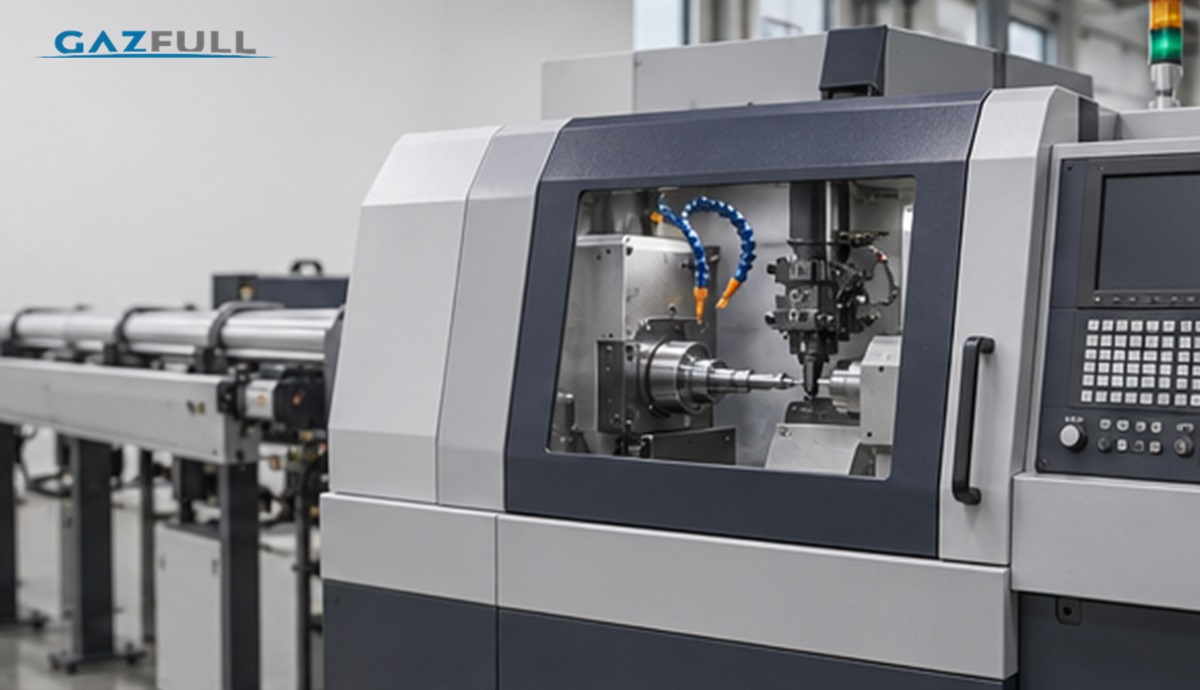
| Equipment Transparency | Shares exact machine types (3/4/5-axis, Star Swiss lathes, bridge CMM) | Gives vague claims (“100+ machines”) without travel or tolerance specs |
| Revision Handling | Engineers respond directly within hours with setup/fixture impact | Slow relays between salesperson and undisclosed sub-shop |
2. Test Engineering Competency Through Pre-Quote DFM Review
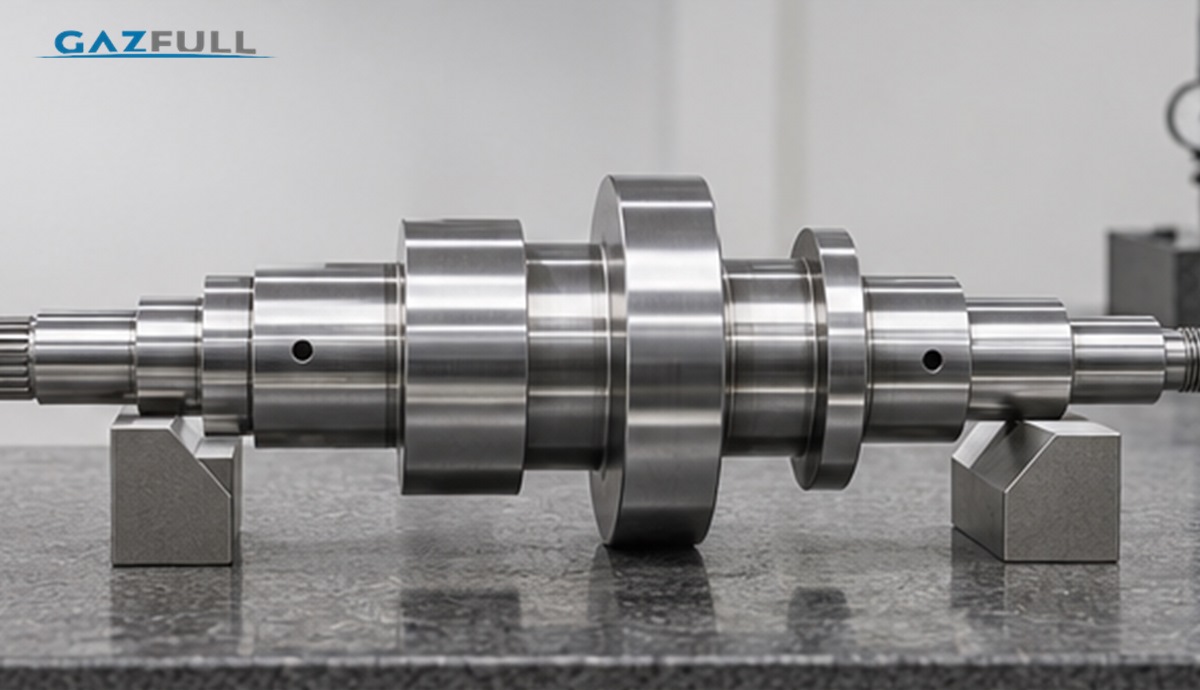
A trustworthy CNC supplier acts as an extension of your mechanical engineering team—not a blind button-pusher. Send a real 3D STEP model paired with a 2D PDF drawing containing at least one challenging feature (such as an H7 bore under Type III anodizing, a deep pocket corner radius, or a tight ±0.005 mm concentricity callout) and evaluate how they respond.
A genuine factory engineer will inspect your drawing before quoting and ask targeted manufacturability questions: confirming pre- vs. post-anodize tolerance basis, recommending stress-relieved T651 plate to prevent thin-wall warpage, or proposing a 3+2 indexed 5-axis setup to protect cross-face true position. If a vendor returns a suspiciously cheap quote in 10 minutes without reading your GD&T notes, expect expensive surprises at receiving inspection. You can see how our own team structures pre-quote review on how CNC machining orders work.
3. Audit In-House Inspection Equipment and Material Traceability
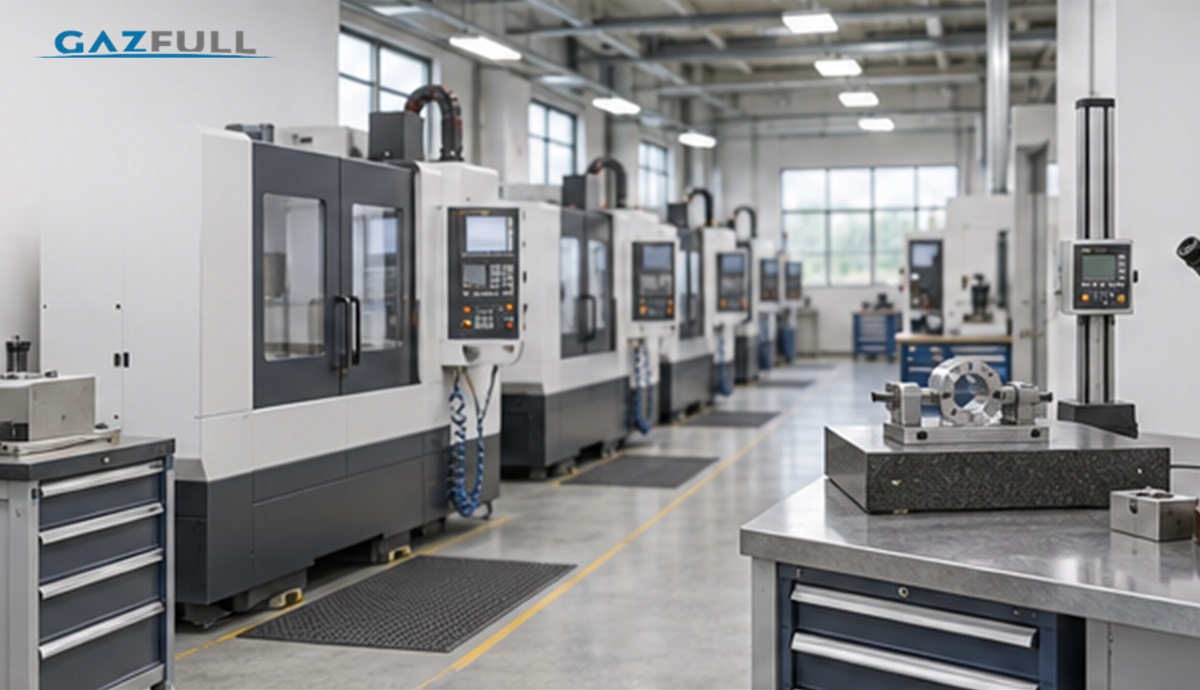
Quality cannot be inspected into a part after it ships—and a workshop that owns only hand calipers cannot verify ±0.005 mm true position or complex 5-axis profiles. Verify that your supplier operates an in-house temperature-controlled inspection lab equipped with a bridge Coordinate Measuring Machine (CMM), 2.5D optical vision measuring system, calibrated Go/No-Go thread gauges, and surface roughness testers.
Equally important is raw material verification. Confirm that your supplier purchases certified mill stock and can supply EN 10204 3.1 Material Test Reports (MTRs) for critical alloys such as 6061-T651, 7075-T651, 316L stainless steel, Ti-6Al-4V titanium, and medical-grade PEEK. Ask to see a sample redacted CMM report and FAI sheet from a previous project to verify their documentation quality before committing.
4. Lock Down NDA Protection, Export Packaging, and Pilot-Batch Validation
Intellectual property security, payment structure, and transit protection are where seasoned B2B buyers eliminate operational risk:
- Mutual NDA Before Restricted CAD Upload: A professional China CNC manufacturer readily reviews and countersigns your company NDA (or provides a standard mutual NDA) before you share proprietary assemblies, restricting drawing access strictly to assigned CAM engineers and QC staff.
- Pilot Batch Before Volume Commitment: Never jump straight into a 2,000-piece production order with an untested supplier. Run a paid 5- to 20-piece pilot batch first to verify dimensional accuracy on your own gauges, anodizing color uniformity, internal cross-hole deburring, and communication speed.
- Export-Grade Protective Packaging: Precision anodized housings and delicate shafts can be ruined in air freight if dumped loose into a carton. Confirm individually wrapped EPE pearl foam, compartmentalized foam trays, VCI anti-rust bags for steels/copper, and sturdy export cartons or fumigation-free plywood crates.
- Clear Incoterms & Balanced Payment Terms: Agree upfront on express door-to-door courier (DHL/FedEx/UPS, 3–5 business days) or consolidated air/sea freight under EXW, FOB, DAP, or DDP terms, with balanced B2B payment milestones (such as 50% deposit and 50% balance after sharing final inspection photos and CMM reports).
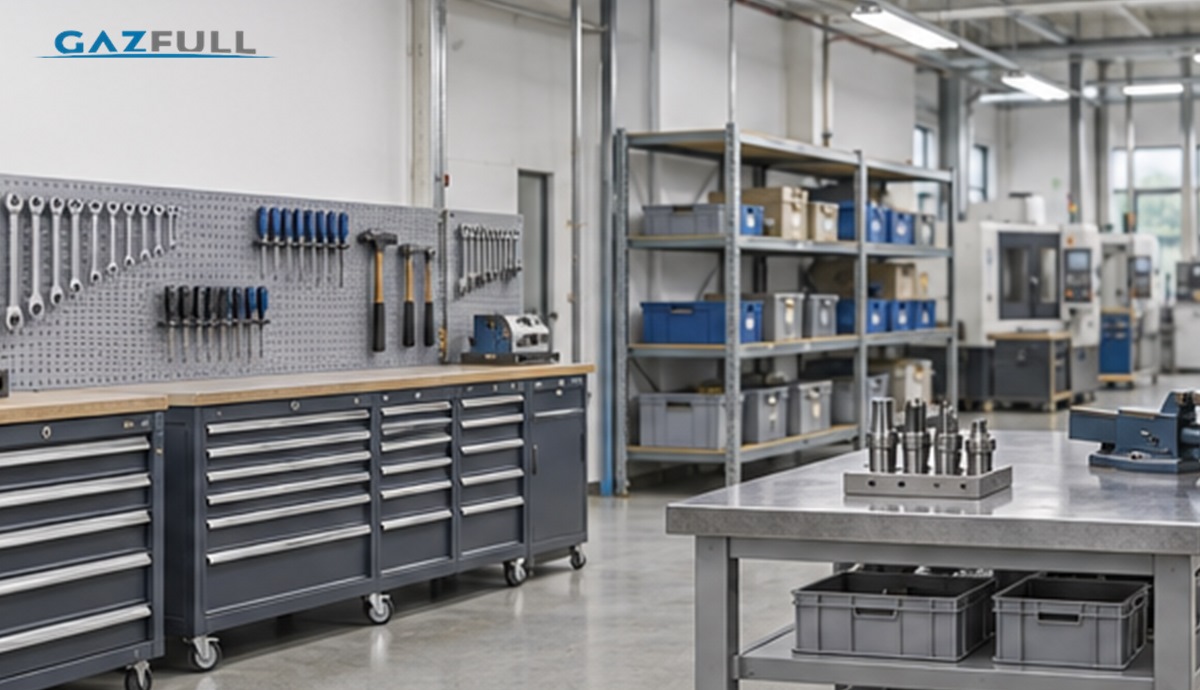
To learn more about our own equipment list and facility setup, explore our factory tour and CNC machining equipment pages.
Frequently Asked Questions: Sourcing CNC Parts from China
1. How can I verify a China CNC supplier is a real factory and not a broker?
Request a live, unscripted video call walking through the CNC machining floor and CMM inspection room, ask for a specific equipment list (axes, spindle types, metrology tools), and evaluate whether their engineers provide detailed pre-quote DFM feedback on your 2D drawing.
2. Is it safe to send proprietary 3D STEP drawings to a CNC factory in China?
Yes, when you work with an established B2B manufacturer that signs a mutual NDA prior to file transfer, restricts internal CAD access to assigned engineering personnel, and focuses exclusively on contract manufacturing rather than selling competing finished products.
3. How long does shipping custom CNC parts from China to the US or Europe take?
Standard CNC prototypes typically machine in 3 to 7 business days depending on geometry and anodizing, and door-to-door express courier delivery via DHL, FedEx, or UPS takes an additional 3 to 5 business days to North America and Europe.
4. What is the safest way to start working with a new CNC machining supplier?
Start with a small paid prototype or pilot batch of 1 to 20 pieces paired with a critical-dimension CMM report. Testing real delivered parts, deburring quality, packaging, and responsiveness on a small order de-risks future high-volume releases.
5. What hidden costs should I watch for when comparing China CNC quotes?
Verify whether quotes include surface finishing (anodizing/passivation), selective masking, Helicoil inserts, CMM/FAI documentation, export tray packaging, and international freight/duties (DAP vs. DDP) so you compare apples to apples.
6. What file formats should I prepare for an accurate China CNC quote?
Send a 3D CAD model (STEP, IGES, or Parasolid X_T) together with a matching 2D PDF drawing specifying exact alloy/temper, threads, GD&T tolerances, surface finish, and quantity.
Ready to Qualify a Direct, Transparent CNC Factory in China?
Send your 3D CAD files (STEP, IGES, X_T) and 2D PDF drawings to the Gazfull CNC engineering team today. We welcome live factory video walkthroughs, mutual NDAs, and small pilot orders—delivering your quote and free DFM review within 24 hours.