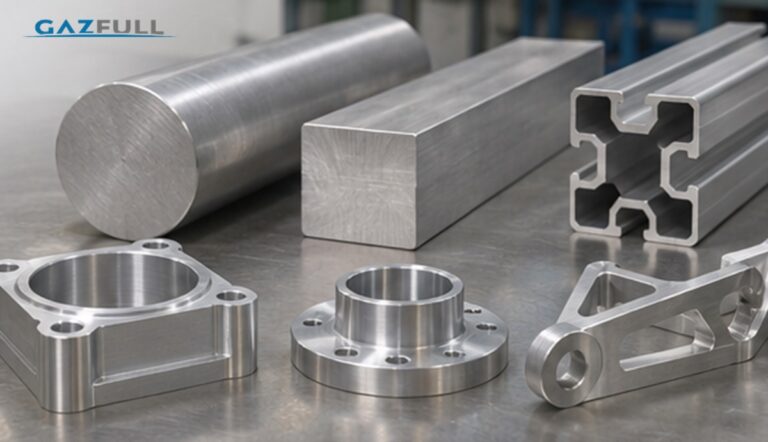
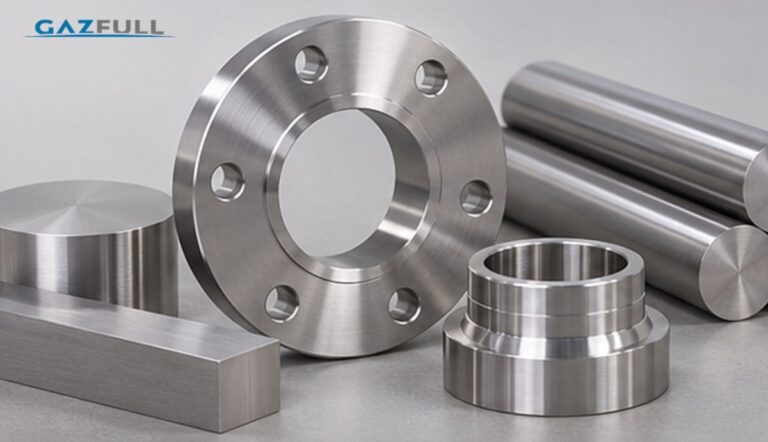
From a B2B purchasing perspective, buying custom 6061-T6 versus 7075-T6 aluminum CNC parts is about far more than metallurgical datasheets—it directly affects raw stock minimums, volume price breaks, anodizing lot yields, mill certificate verification, and how smoothly a product transitions from 10-piece prototypes to 2,000-piece production. While our engineering guide to 6061 vs. 7075 aluminum dives deep into metallurgy and cutting physics, this dedicated Aluminum CNC Parts Buying Guide focuses strictly on commercial procurement: volume cost math, purchasing traps, MTR verification, and how to structure a bulletproof aluminum purchase order.
1. Volume Cost Economics: How Batch Size Shifts the 6061 vs. 7075 Price Gap
A frequent surprise for buyers is that the percentage price premium for 7075-T6 actually grows as batch quantity increases. On a 5-piece prototype order of a complex 5-axis bracket, fixed CAM programming and setup dominate the quote, so upgrading from 6061-T6 to 7075-T6 may add only +18% to total unit price. When you scale that same bracket to 50 or 200 pieces—or buy a heavy billet electronics housing where raw aluminum represents half the part cost—setup amortizes away and 7075’s 2× raw stock premium pushes finished unit price +55% to +81% higher than 6061-T6.
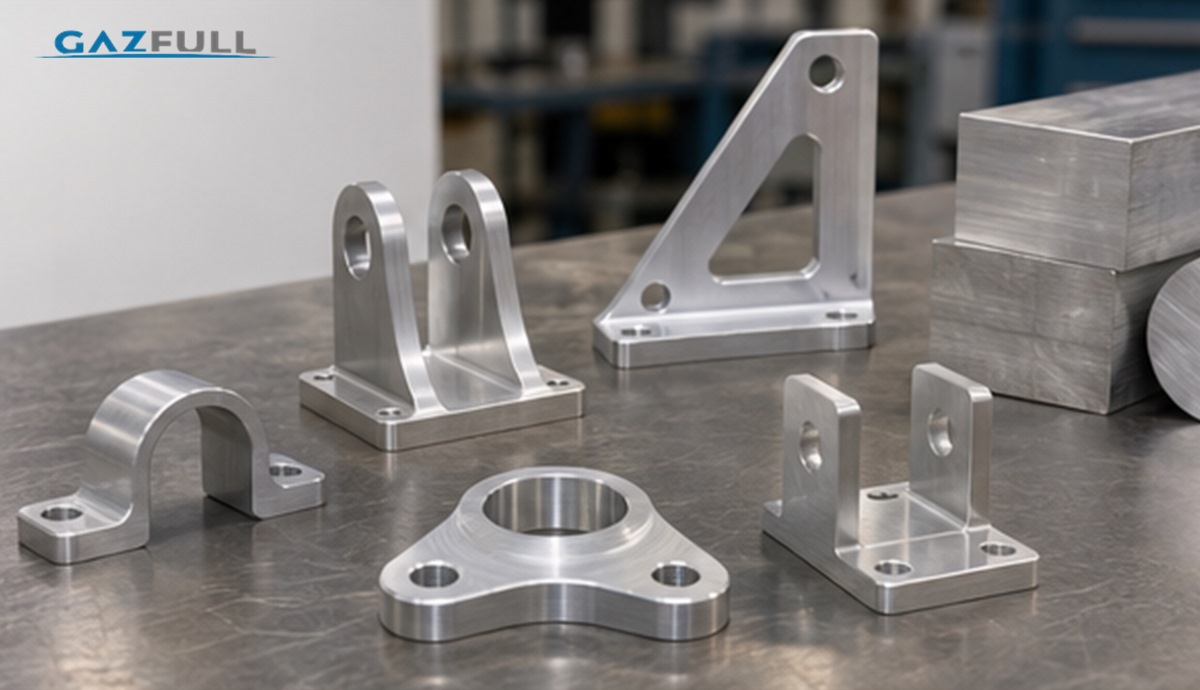
Before locking 7075 into a volume production BOM, ask your supplier for a dual-alloy quote showing 6061-T651 and 7075-T651 side by side across 10, 50, and 200-piece tiers so engineering and purchasing can weigh exact ROI together.
2. Commercial Factors: Stock Availability, Anodizing Yield, and Scaling
Beyond raw billet price, four commercial factors separate 6061 and 7075 procurement: (1) Universal Stocking: 6061-T6/T651 is stocked in virtually every metric and imperial bar/plate size for 3–5 day prototype starts, whereas unusual thick 7075 plates can require larger cut-to-size stock minimums; (2) Anodizing Bath Yield: 6061 delivers higher cosmetic yield in clear and dyed Type II baths, whereas 7075 requires tighter bath control and shows slight warm tint variation; (3) High-Volume Extrusion Path: Above 1,000 units, 6061 transitions cleanly into low-cost custom extruded profiles, whereas 7075 remains billet-machined or forged; and (4) 3.1 MTR Authentication: Because 7075 commands double the raw metal price, always specify EN 10204 3.1 mill certificates on high-load orders.
3. Four Costly Purchasing Traps When Buying 6061 & 7075 Parts
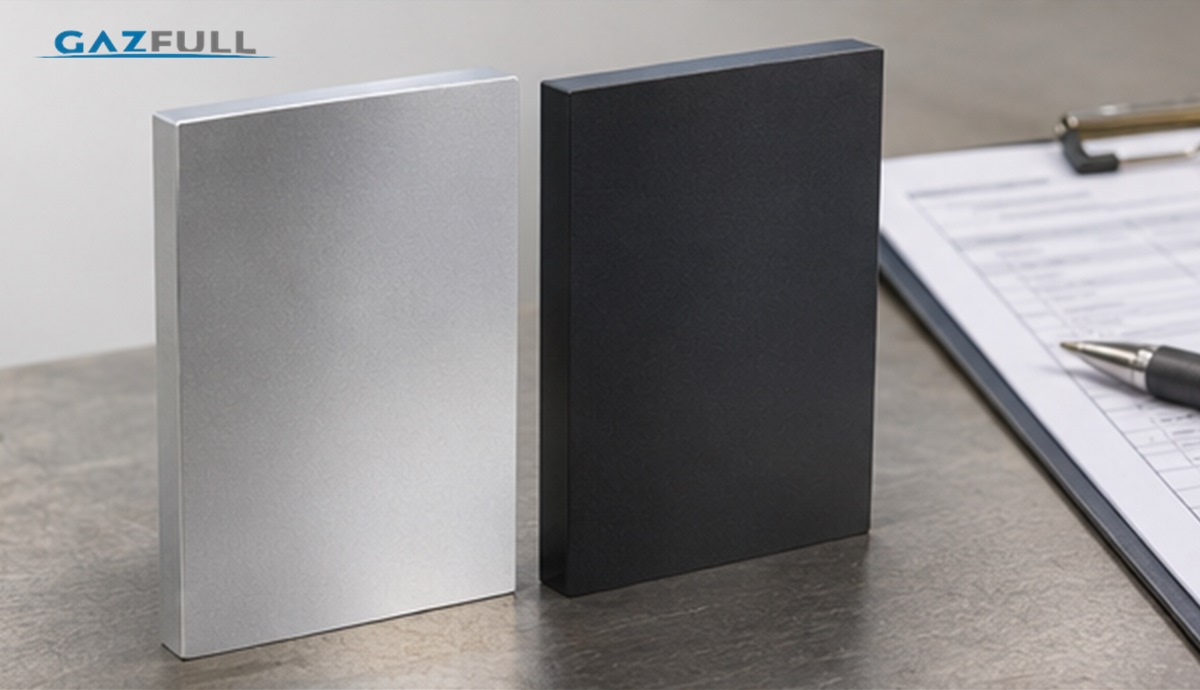
Procurement teams routinely save 20% to 50% by catching four recurring traps before releasing a PO: (1) Paying 2× for 7075 to solve elastic flexing (both alloys have nearly identical stiffness—68.9 vs. 71.7 GPa); (2) Buying mixed 6061/7075 cosmetic anodized assemblies that fail visual inspection due to dye-shade mismatch; (3) Skipping 3.1 MTR verification on high-stress 7075 safety parts; and (4) Ordering tiny unbatched anodized lots instead of quoting 3 quantity tiers to absorb fixed anodizing tank minimums.
4. Structuring a Bulletproof 6061 / 7075 Purchase Order
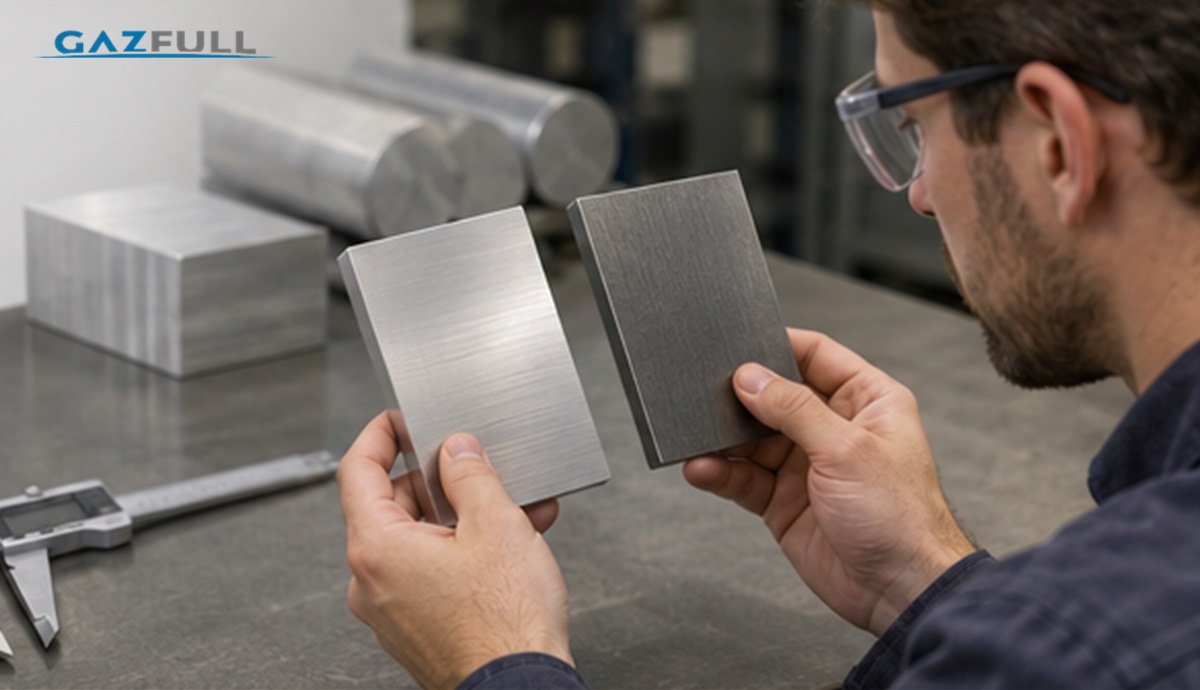
To lock in predictable pricing and zero incoming rejects, structure your aluminum CNC purchase order around four concrete checkpoints: compare dual-alloy price tiers, write exact alloy/temper (`6061-T651` or `7075-T651`) plus 3.1 MTR requirement on the PO line item, mandate same-tank anodizing for paired lids and bases, and review pre-ship CMM reports before balance release. Explore our aluminum alloy CNC machining page for stocked grades.
Frequently Asked Questions: Buying 6061-T6 vs. 7075-T6 CNC Parts
1. Why does the 7075 price premium increase at higher batch quantities?
At low prototype quantities, fixed CAM programming and setup represent most of the cost. At 50–500+ pieces, setup amortizes down and raw billet cost becomes a much larger percentage of unit price, magnifying 7075’s ~2× material cost.
2. Can I ask Gazfull to quote both 6061-T651 and 7075-T651 on the same RFQ?
Yes. We gladly provide side-by-side 6061-T651 and 7075-T651 pricing columns across your target quantity tiers so your team can make a data-backed commercial and engineering decision.
3. How can buyers verify they actually received genuine 7075-T6 aluminum?
Specify an EN 10204 3.1 Material Test Report (MTR) on your PO showing exact zinc (5.1%–6.1%), magnesium, and copper percentages plus heat-lot traceability tied to your shipment.
4. Does 7075 take longer to deliver than 6061 for custom CNC prototypes?
Standard 7075-T6/T651 sizes ship nearly as fast as 6061 (typically 4–7 business days), though very thick specialty 7075 plates may add 1–2 days for custom saw-cut stock sourcing.
5. What is the best way to lower anodizing cost on small aluminum batches?
Group multiple parts of the same alloy and color (e.g., matte black Type II on 6061-T651) onto one purchase order so they share a single anodizing tank lot minimum and match perfectly in shade.
6. When should a buyer consider transitioning a 6061 CNC part to a custom extrusion?
Once annual demand for a long, uniform 6061 cross-section exceeds ~1,000 units, investing $800–$2,000 in an extrusion die plus secondary CNC finishing typically cuts raw billet waste and unit cost by 35%–60%.
Compare 6061-T651 vs. 7075-T651 Pricing on Your Next Order
Send your 3D CAD models (STEP, IGES, X_T) and 2D PDF drawings to the Gazfull CNC engineering team today. Ask for our side-by-side 6061 vs. 7075 multi-tier quote, EN 10204 3.1 MTR options, and free DFM review—delivered within 24 hours.