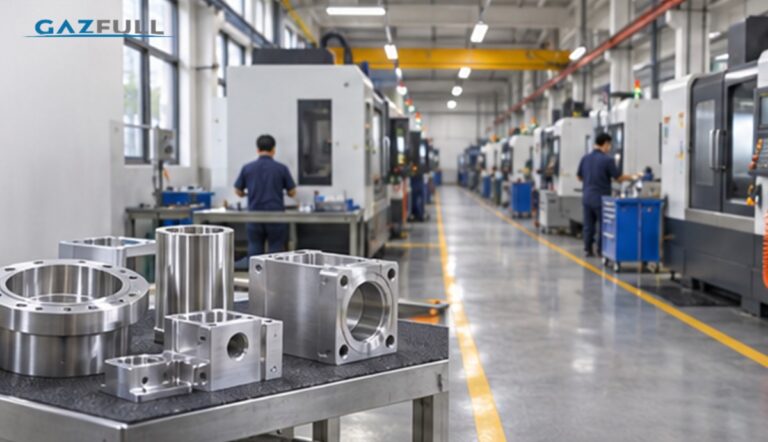
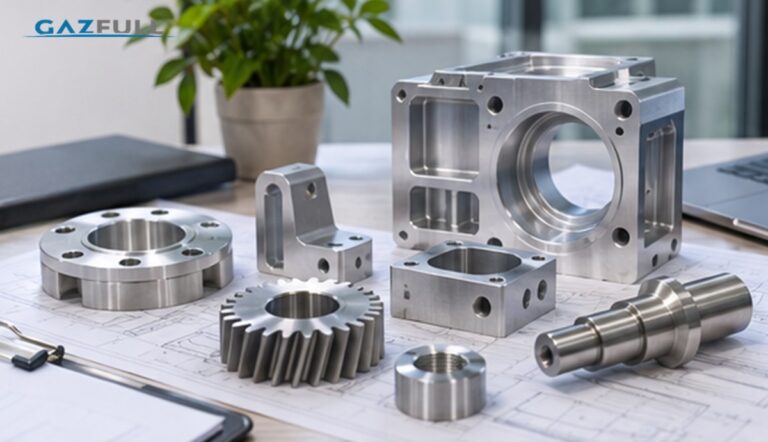
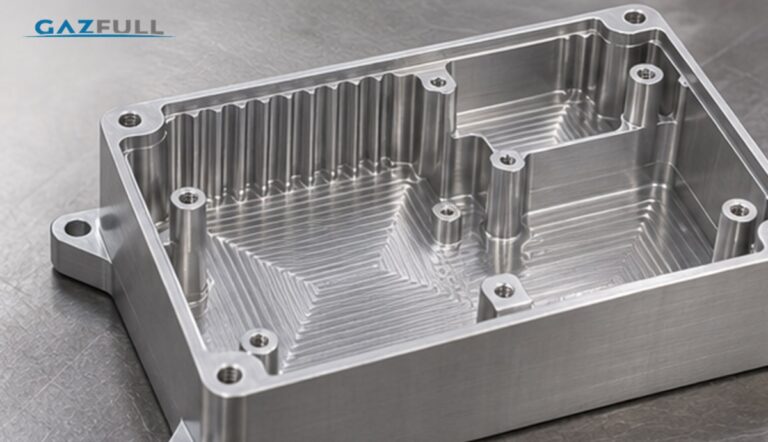
Designing modern electronics, LiDAR sensors, laser modules, and power-conversion hardware forces mechanical engineers to balance two competing priorities: shedding intense localized heat while keeping enclosure weight and outer volume as compact as possible. That challenge sits right at the intersection of CNC machined heat sinks and thin-wall aluminum enclosures. In our China CNC workshop, we machine integrated solid-billet thermal housings, pin-fin heat sinks, copper cold plates, and lightweight thin-wall frames every day—and we regularly help teams decide between solid CNC machining versus extruded profiles while avoiding fin chatter, base bowing, and EMI sealing errors. Here is our complete engineering and DFM design guide.
1. CNC Machined Heat Sinks vs. Aluminum Extrusions: When Each Wins
Engineers often ask whether to mill a heat sink or thermal enclosure from solid aluminum billet or invest in an extrusion die. The right answer depends on fin geometry, thermal spreading needs, internal 3D features, and production volume:
| Engineering Factor | CNC Machined Heat Sink / Chassis | Extruded Aluminum Profile |
|---|---|---|
| Fin & Thermal Geometry | Pin-fin arrays, radial fins, staggered channels & thick local heat-spreader pedestals | Unidirectional straight fins only (constant 2D cross-section) |
| Integrated Enclosure Features | Built-in O-ring grooves, PCB standoffs, connector ports & multi-depth pockets | Requires secondary CNC milling on ends and walls anyway |
| Upfront Tooling Cost | $0 (CAD/CAM programming only) | $500 – $2,500+ steel extrusion die + minimum mill run |
| Optimal Order Volume | 1 to 500+ pcs (prototypes, low/mid-volume, high-complexity) | 1,000+ pcs of simple, long uniform profiles |
| Best Thermal Alloys | 6061-T6 (167 W/m·K), 6063, C110/C101 Copper (~390 W/m·K) | 6063-T5/T6 (~200 W/m·K, optimized for extrusion flow) |
Whenever your PCB has uneven component heights requiring stepped internal thermal pedestals, omnidirectional airflow (pin-fins), IP67 O-ring sealing, or batch quantities under 500 pieces, our custom CNC machined heat sinks eliminate extrusion die lead times and deliver superior local heat spreading. For high-volume (>1,000 pcs) uniform linear enclosures, a hybrid strategy—extruding a near-net shell and CNC-finishing the flat thermal contact pad and end-plates—captures the best of both worlds.
2. DFM Rules for CNC Machined Cooling Fins and Flat Thermal Bases
Machining tall, razor-thin, closely spaced cooling fins from solid aluminum or copper is one of the fastest ways to drive up CNC cycle time if aspect ratios are not optimized. A narrow 1.5 mm gap between 25 mm tall fins forces our machinists to run a fragile 1.5 mm long-reach cutter at very shallow step-downs to avoid snapping the tool or vibrating the fins. Keeping fin gap width ≥ 1/4 to 1/3 of fin height and minimum fin thickness at 1.0 mm to 1.5 mm lets us use rigid standard end mills—routinely cutting heat-sink machining cost by 30% to 50% with negligible impact on convective cooling.
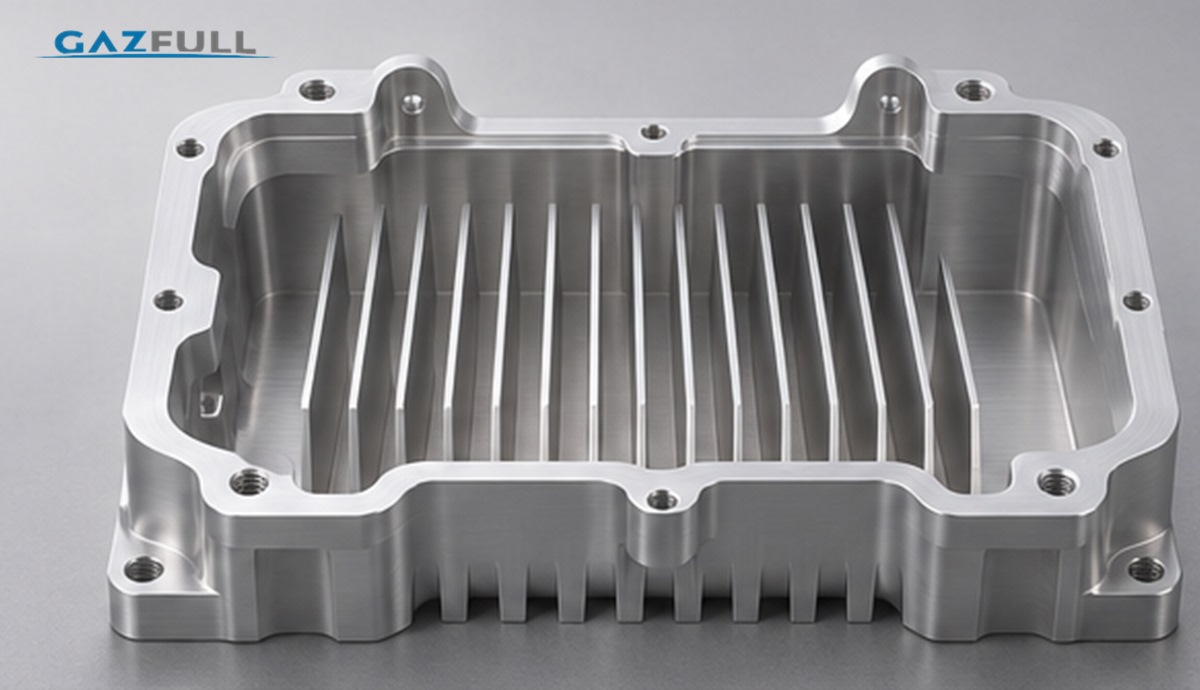
Equally important is thermal contact base flatness. Where an IGBT, laser diode, or CPU contacts the heat sink through a thermal interface material (TIM), even 0.10 mm of bow creates an insulating air gap that spikes junction temperatures. Instead of applying tight 0.02 mm flatness across the entire outer frame, call out 0.02 mm–0.05 mm local flatness and Ra 0.8–1.6 µm roughness strictly over the active heat-source footprint. We fly-cut mounting bases under balanced vacuum or low-stress clamping to lock in flat thermal transfer.
3. Thin-Wall Aluminum Enclosure Design: Preventing Chatter and Warpage
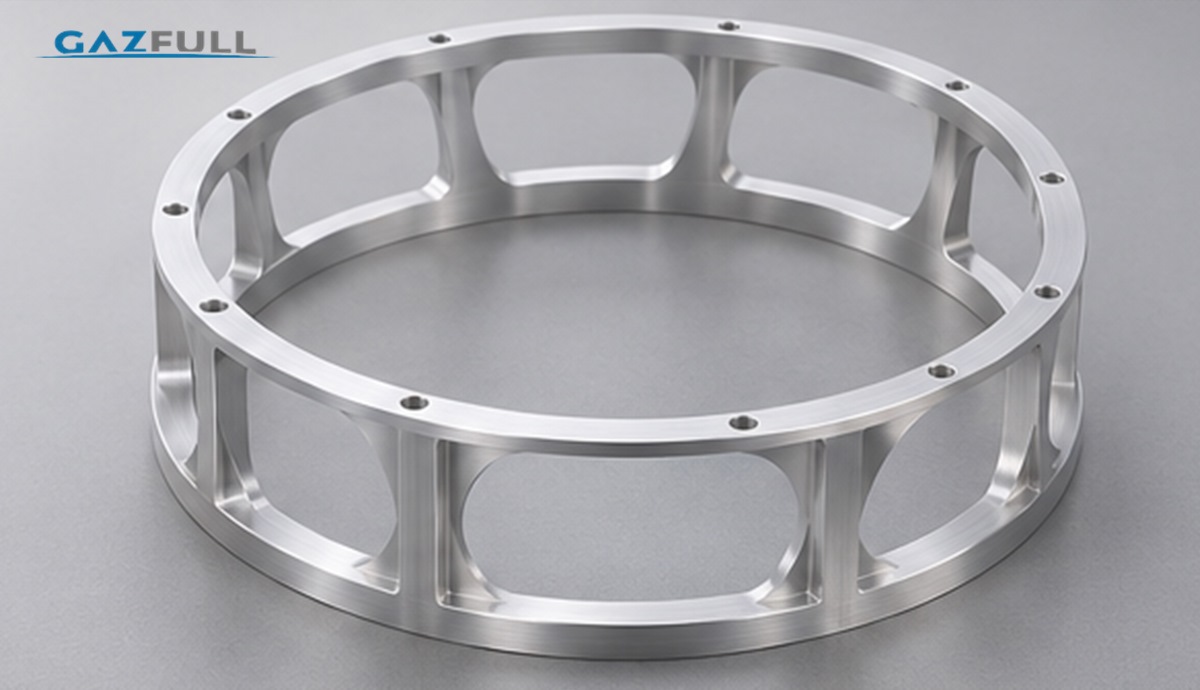
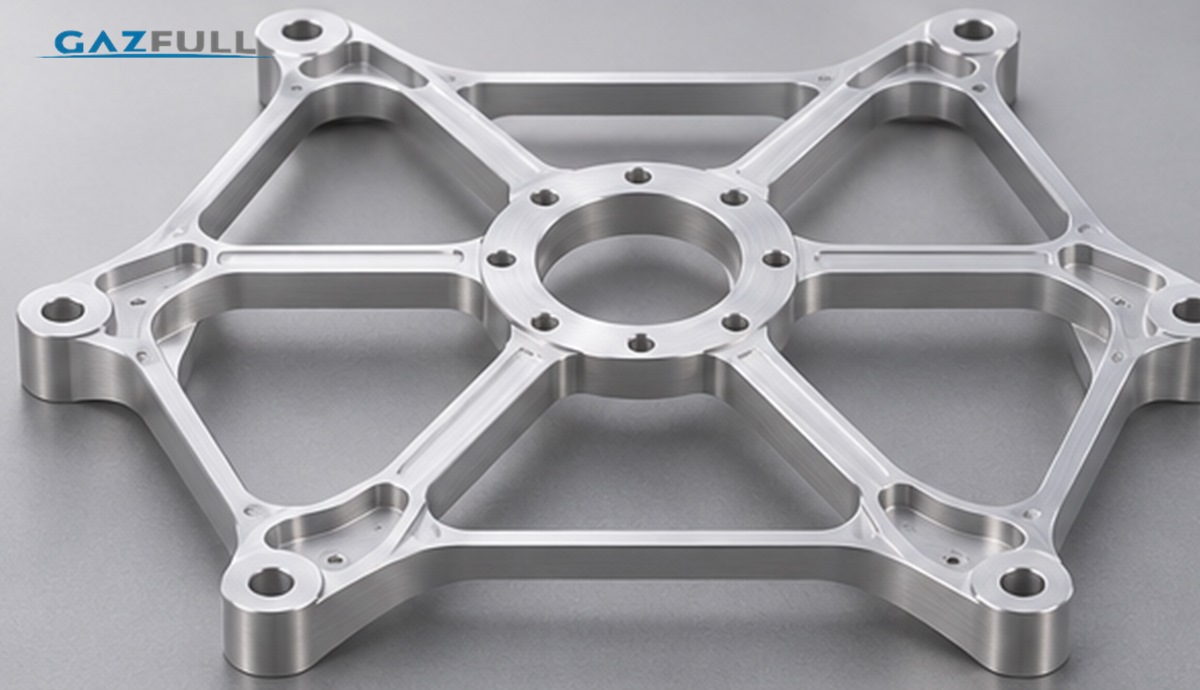
Portable instruments, UAV avionics, and compact electronics enclosures demand thin walls (0.8 mm to 1.5 mm) to minimize weight—yet removing 80% of a solid aluminum billet releases internal rolling stress that can warp thin walls out of flatness once unclamped. In our thin-wall CNC machining workflow, four DFM practices keep thin enclosures flat, rigid, and affordable:
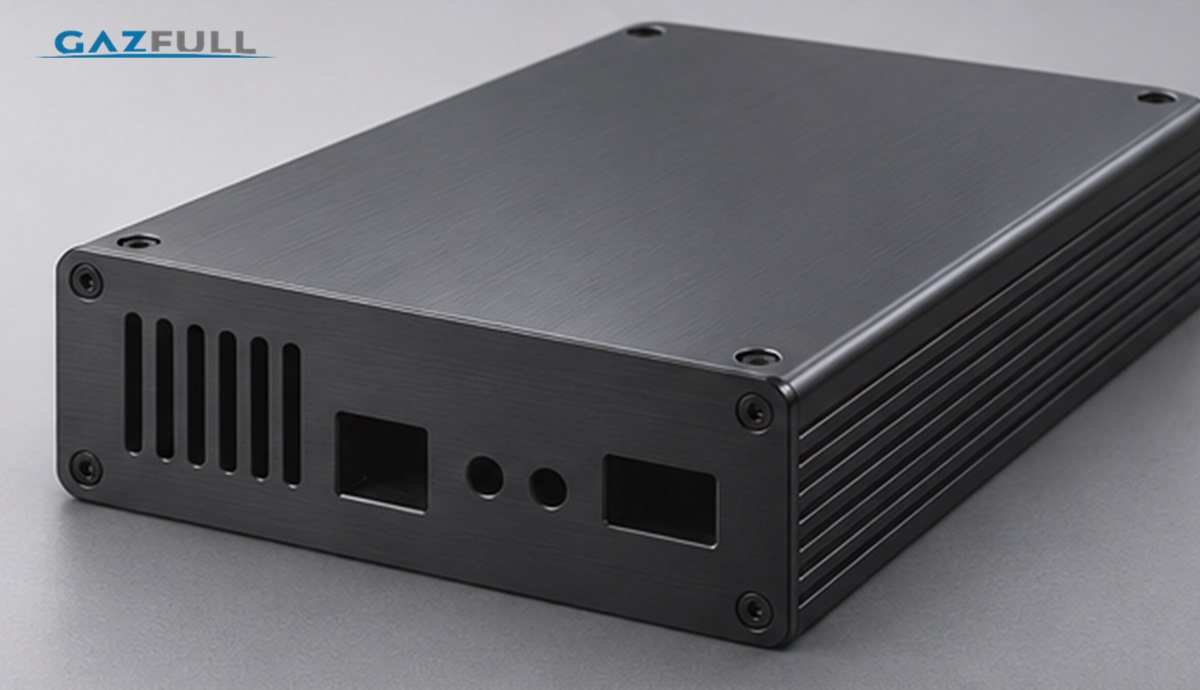
- Specify Stress-Relieved 6061-T651 Plate: Mechanically stretched T651 plate eliminates the bulk of residual quenching stress before cutting begins, preventing “banana bowing” on wide thin lids and bases.
- Add Internal Corner Fillets & Subtle Stiffening Ribs: Adding R2–R4 mm vertical fillets and low-profile internal ribs stiffens tall 1.0 mm walls dramatically without adding meaningful mass, allowing faster chatter-free finishing.
- Match O-Ring Groove Depth & Finish: For IP65/IP67 sealed CNC machined housings, hold O-ring groove depth to ±0.025 mm with Ra 0.8–1.6 µm bottom finish and clean deburred edges so elastomers compress evenly without pinching.
- Plan Selective EMI Masking Before Anodizing: Black Type II anodizing boosts radiative cooling slightly on exterior heat-sink fins and protects against corrosion, but it is electrically non-conductive. Always mark masked bare or chromate-converted (Alodine) grounding flanges and direct die-contact pads on your 2D drawing.
4. Aluminum 6061 vs. C110/C101 Copper for High-Flux Thermal Loads
For 85% of electronics enclosures and air-cooled heat sinks, 6061-T6 aluminum (~167 W/m·K, 2.70 g/cm³) delivers the optimal balance of thermal conductivity, low weight, clean black anodizing, and economical CNC speed. When power density exceeds what aluminum can spread—such as high-power laser diodes, RF amplifiers, or compact EV/semiconductor liquid cold plates—upgrading to C11000 or C10100 oxygen-free copper (~390 W/m·K) more than doubles thermal conductivity. Because bare copper is 3.3× heavier than aluminum and oxidizes in humid air, many engineers use a lightweight 6061-T6 thin-wall housing paired with a bolted, nickel-plated C110 copper thermal spreader directly beneath the hot spot.
Frequently Asked Questions: CNC Heat Sinks & Thin-Wall Enclosures
1. How thin can Gazfull CNC machine aluminum enclosure walls reliably?
We routinely machine aluminum walls down to 0.5 mm–0.8 mm using stress-relieved 6061-T651 stock, custom soft jaws, and stepped light finishing passes. For the best cost-to-weight balance, we recommend 0.8 mm to 1.2 mm on standard metal enclosures.
2. Does black anodizing help or hurt a CNC machined heat sink?
Black Type II anodizing slightly increases thermal emissivity (radiative heat rejection) in natural convection while protecting aluminum from corrosion. However, because anodizing is a thin ceramic insulator, we mask the direct die-contact mounting base whenever maximum conductive transfer is required.
3. Why is 6061 aluminum better than 7075 aluminum for CNC heat sinks?
Aluminum 6061-T6 offers ~167 W/m·K thermal conductivity—roughly 28% higher than 7075-T6 (~130 W/m·K)—while costing significantly less and producing more uniform black anodized finishes.
4. Can you CNC machine liquid-cooled cold plates with internal channels?
Yes. We machine serpentine and micro-channel liquid cold plates in 6061 aluminum and C110/C101 copper complete with O-ring sealing grooves, bolted cover plates, and SAE/NPT/BSPP inlet ports.
5. How do you prevent thin-walled enclosures from warping during shipping?
Thin-walled anodized housings and finned heat sinks are individually wrapped in EPE pearl foam or placed in custom-cut foam trays inside double-wall export cartons so delicate fins and cosmetic surfaces never bend or scratch in transit.
6. What is the minimum order quantity for custom CNC heat sinks and enclosures?
We have no MOQ—we machine 1-off functional prototypes for thermal chamber testing in 3 to 5 business days and scale smoothly into low-volume (10–500 pcs) and repeat production batches.
Need Custom CNC Heat Sinks or Thin-Wall Electronics Enclosures?
Send your 3D CAD models (STEP, IGES, X_T) and 2D PDF drawings to the Gazfull CNC engineering team today. We review fin aspect ratios, base flatness, O-ring grooves, and EMI masking—returning your quote and free DFM feedback within 24 hours.