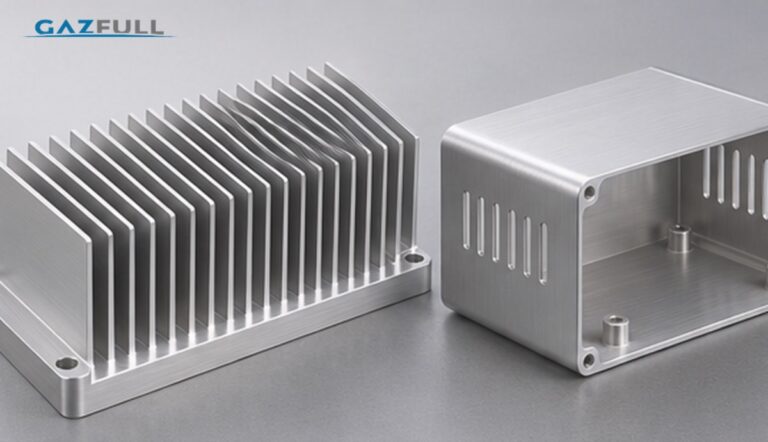
Ordering custom CNC machined electronics enclosures, sensor housings, or optical chassis involves far more commercial risk than ordering simple flat brackets—because enclosures combine tight lid-to-base mating tolerances, IP67 sealing grooves, cosmetic exterior finishes, EMI grounding paths, and threaded hardware in one part. Across hundreds of enclosure orders processed in our China factory, nearly 90% of buyer disputes stem from seven missing specifications on the PO or 2D drawing. This B2B buyer’s checklist walks through all seven specs you must lock down before releasing a CNC housing purchase order.
1. The 7 Mandatory Specs to Confirm Before Ordering CNC Housings
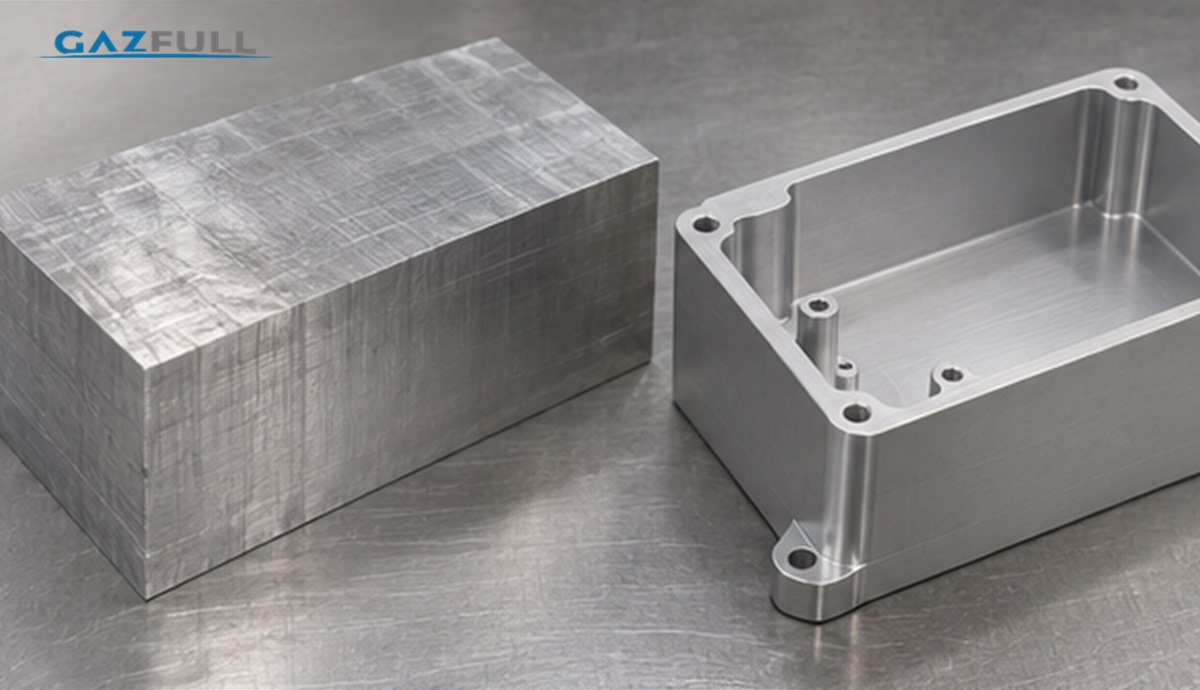
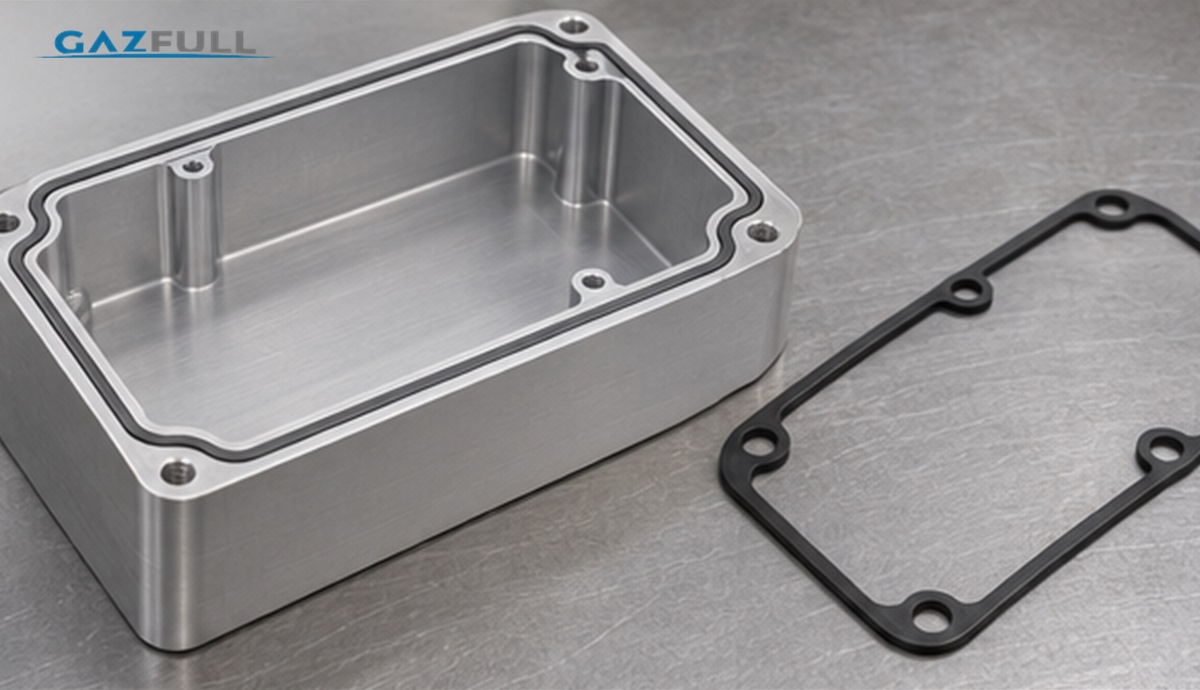
Before approving any enclosure quote, verify that both your 2D PDF drawing and purchase order explicitly specify: (1) Exact Alloy & Temper (`6061-T651` or `7075-T651` stress-relieved plate to prevent lid warpage); (2) Pre- vs. Post-Anodize Tolerance Basis (preventing H7 dowel bores from shrinking out of spec); (3) EMI / Grounding Masking Zones (hatching conductive bare or chromated pads); (4) Class-A Cosmetic Faces & Hidden Rack Zone (keeping anodizing rack marks off front panels); (5) O-Ring Groove Depth & Floor Roughness (`±0.025 mm` and `Ra 0.8–1.6 µm`); (6) Pre-Installed Inserts & Hardware (Helicoils, PEMs, laser logos); and (7) Protective Tray Packaging (EPE foam or slotted trays so anodized faces never scratch).
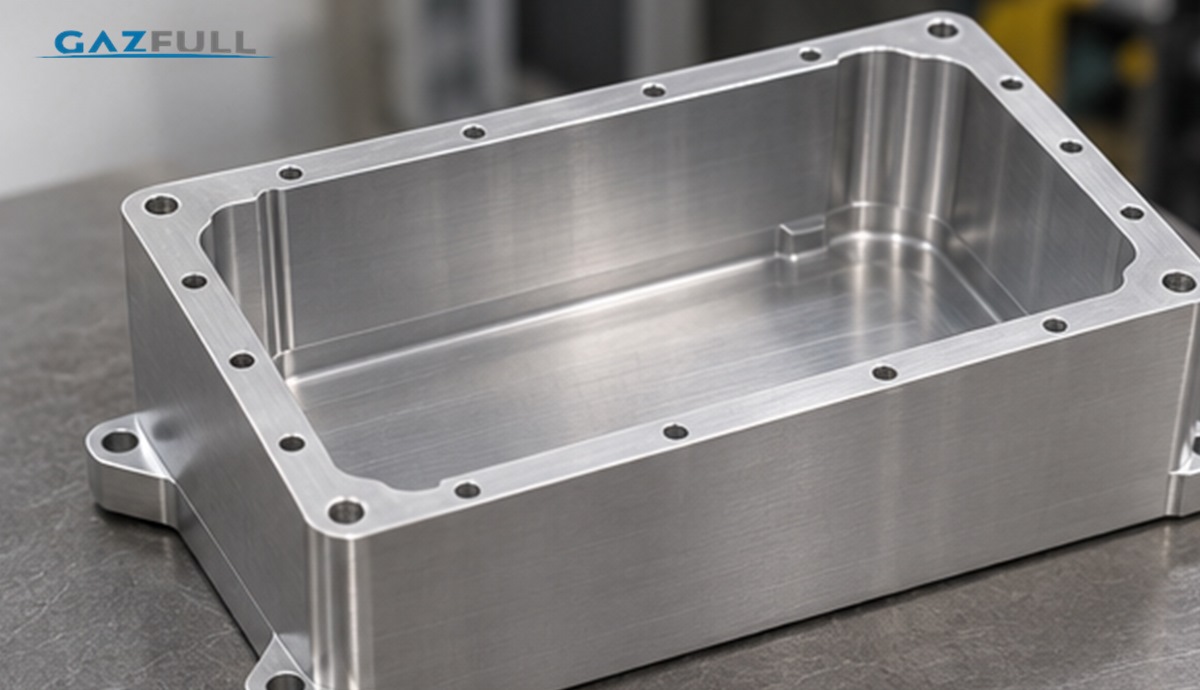
For engineering design rules behind these specifications, see our complete CNC machined housings design guide or explore our CNC machined housings service page.
2. How Each Housing Spec Impacts Your Unit Price
Not every enclosure feature costs the same to add. Understanding cost sensitivity helps procurement and engineering teams spend budget where it truly protects field reliability: switching from blanket `±0.01 mm` to `ISO 2768-f` + selective datum tolerances saves 25% to 40%, and using `6061-T651` instead of `7075-T651` on large billet enclosures saves 45% to 85%. By contrast, high-value reliability upgrades like pre-installed stainless Helicoil inserts (+4%–10%) and selective EMI pad masking (+5%–12%) add very little unit cost while preventing expensive field failures.
3. Locking Down IP67 Sealing, Matched Anodizing, and Turnkey Hardware
When buying matched two-piece enclosures (base + lid), always order both components on the same PO from the same alloy lot so they run together in a single anodizing bath—eliminating shade mismatches between mating halves. Confirm that your supplier inspects lid-to-base dowel alignment on the first-off sample before anodizing the full batch, and consolidates Helicoil installation, dowel pins, and laser-etched serial numbers prior to shipment so your assembly line receives turnkey hardware.
4. Four-Step Pre-Production Sign-Off for Zero-Defect Enclosures
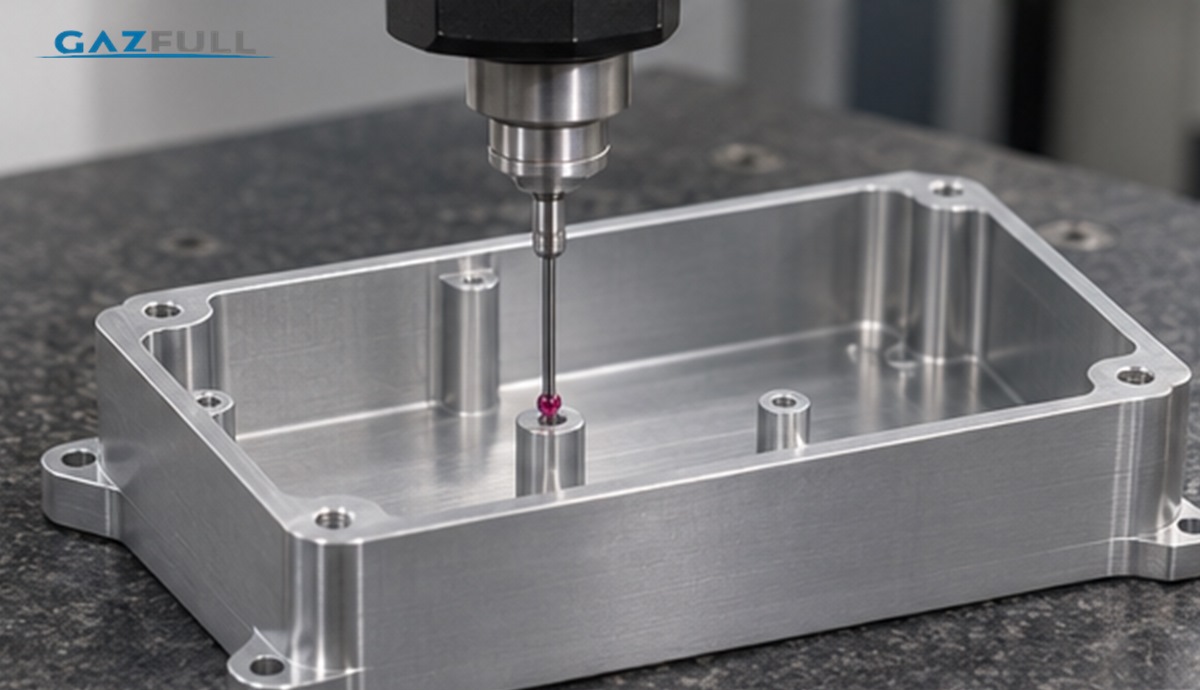
At Gazfull, every housing purchase order passes through a structured 4-step sign-off: a 7-spec pre-cut DFM audit, first-off mating alignment check, batch-matched anodizing with post-finish CMM verification on critical bores, and individual EPE foam wrapping inside export cartons.
Frequently Asked Questions: Buying CNC Machined Housings
1. Why should lids and bases always be ordered together on one PO?
Ordering paired lids and bases together ensures both parts are machined from the same alloy lot and anodized in the exact same dye bath, guaranteeing uniform color match and verified dowel-pin assembly fit.
2. What happens if I forget to specify EMI masking on an anodized housing?
Standard Type II and Type III anodizing create an electrically insulating oxide layer across the entire surface, which blocks chassis grounding and EMI gasket conductivity unless grounding pads are explicitly masked or chromate-converted.
3. How can buyers prevent cosmetic scratches on matte black anodized housings during shipping?
Specify individual EPE pearl foam wrapping or compartmentalized foam trays on your PO—never allow cosmetic anodized enclosures to be bulk-bagged together in transit.
4. Should we specify 6061-T651 or 7075-T651 for electronics enclosures?
6061-T651 is strongly recommended for electronics housings due to cleaner matte black anodizing, 28% higher thermal conductivity, and 45%–85% lower finished billet cost.
5. Can Gazfull install Helicoil inserts and laser-engrave our logo before delivery?
Yes. We install 304 stainless Helicoils, PEM fasteners, and laser-mark logos, port labels, and serial numbers in-house after anodizing.
6. What inspection documents should accompany a custom CNC housing shipment?
We recommend requesting a critical-dimension CMM report covering flatness, O-ring groove depth, and H7 dowel true position, plus an EN 10204 3.1 material certificate for regulated medical or industrial programs.
Ordering Custom CNC Housings? Get a Complete 7-Spec DFM Quote
Send your 3D CAD models (STEP, IGES, X_T) and 2D PDF drawings to the Gazfull CNC engineering team today. We verify all 7 enclosure specs—alloy, masking, O-rings, inserts, and tray packaging—delivering a firm quote within 24 hours.